
HABITAT INTERNATIONAL FILM FESTIVAL 2026
13th March 2026
14th March 2026
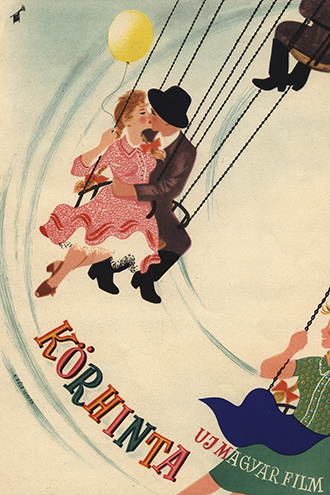
Focus Country - Hungary. Zoltán Fábri Retrospective. Körhinta/ Merry- Go- Round
Zoltán Fábri
15th March 2026

Year of Andrzej Wajda, 100th Birth Centenary Celebrations. Popiół i diament/ Ashes and Diamonds
Andrzej Wajda
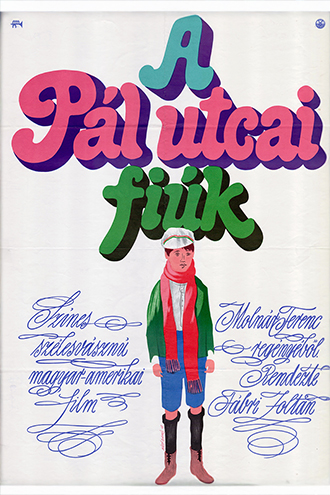
Focus Country - Hungary. Zoltán Fábri Retrospective. A Pál utcai fiúk / The Boys of Paul Street
Zoltán Fábri
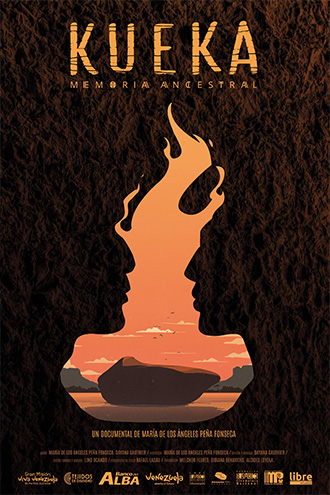
Kueka, Memoria Ancestral / Kueka, Ancestral Memory
María de los Ángeles Peña Fonseca
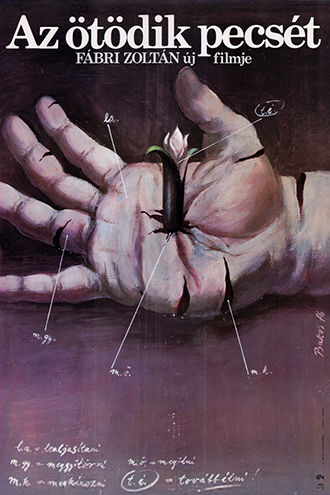
Focus Country - Hungary. Zoltán Fábri Retrospective. Az ötödik pecsét / The Fifth Seal
Zoltán Fábri
16th March 2026
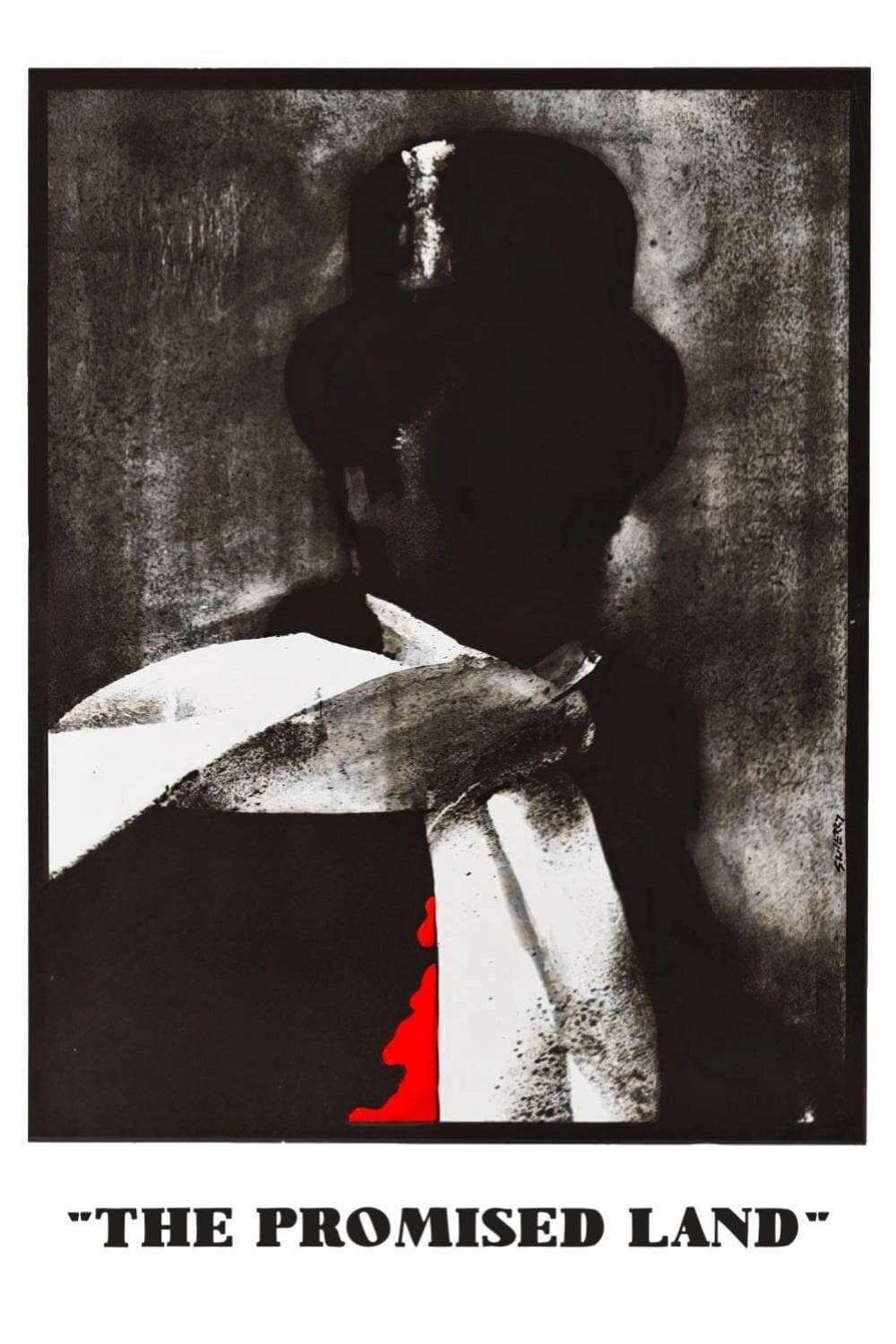
Year of Andrzej Wajda, 100th Birth Centenary Celebrations. Ziemia Obiecana / The Promised Land
Andrzej Wajda
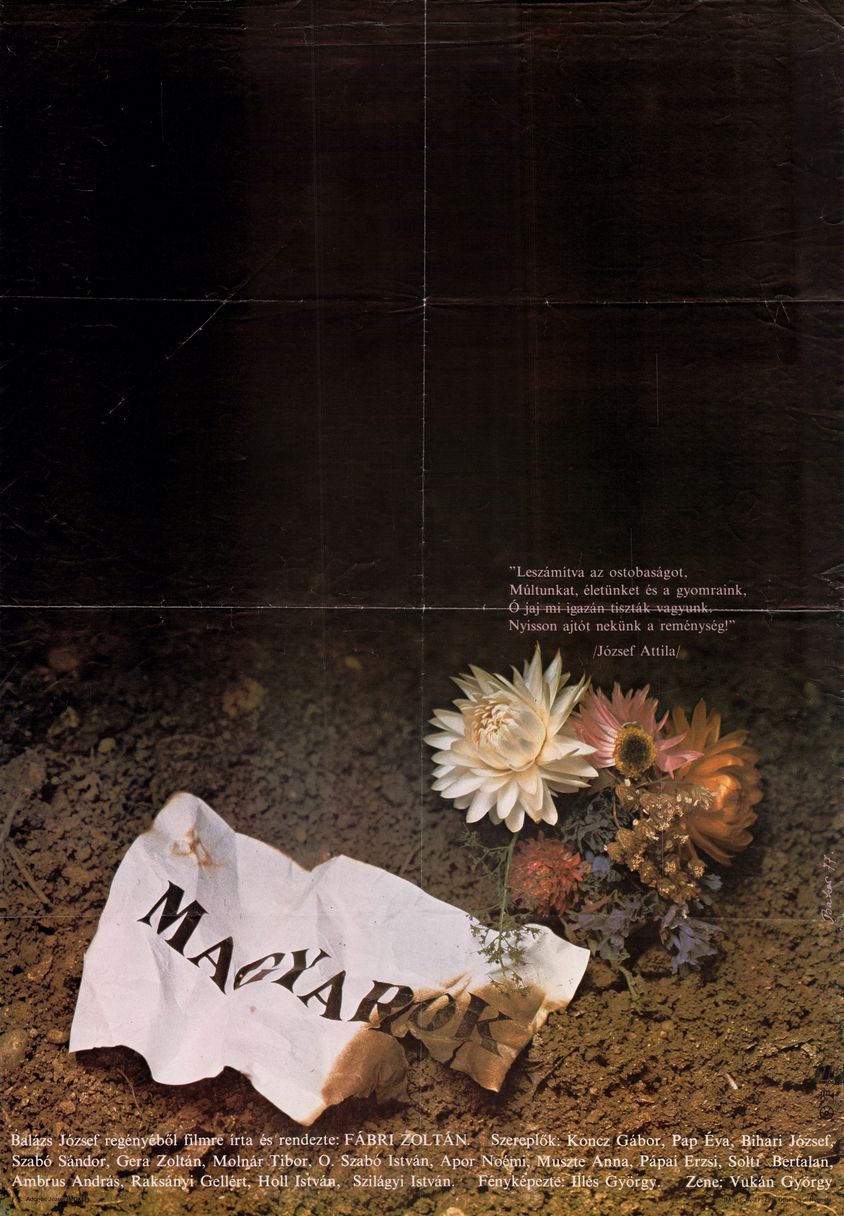
Focus Country - Hungary. Zoltán Fábri Retrospective. Magyarok / Hungarians
Zoltán Fábri
17th March 2026
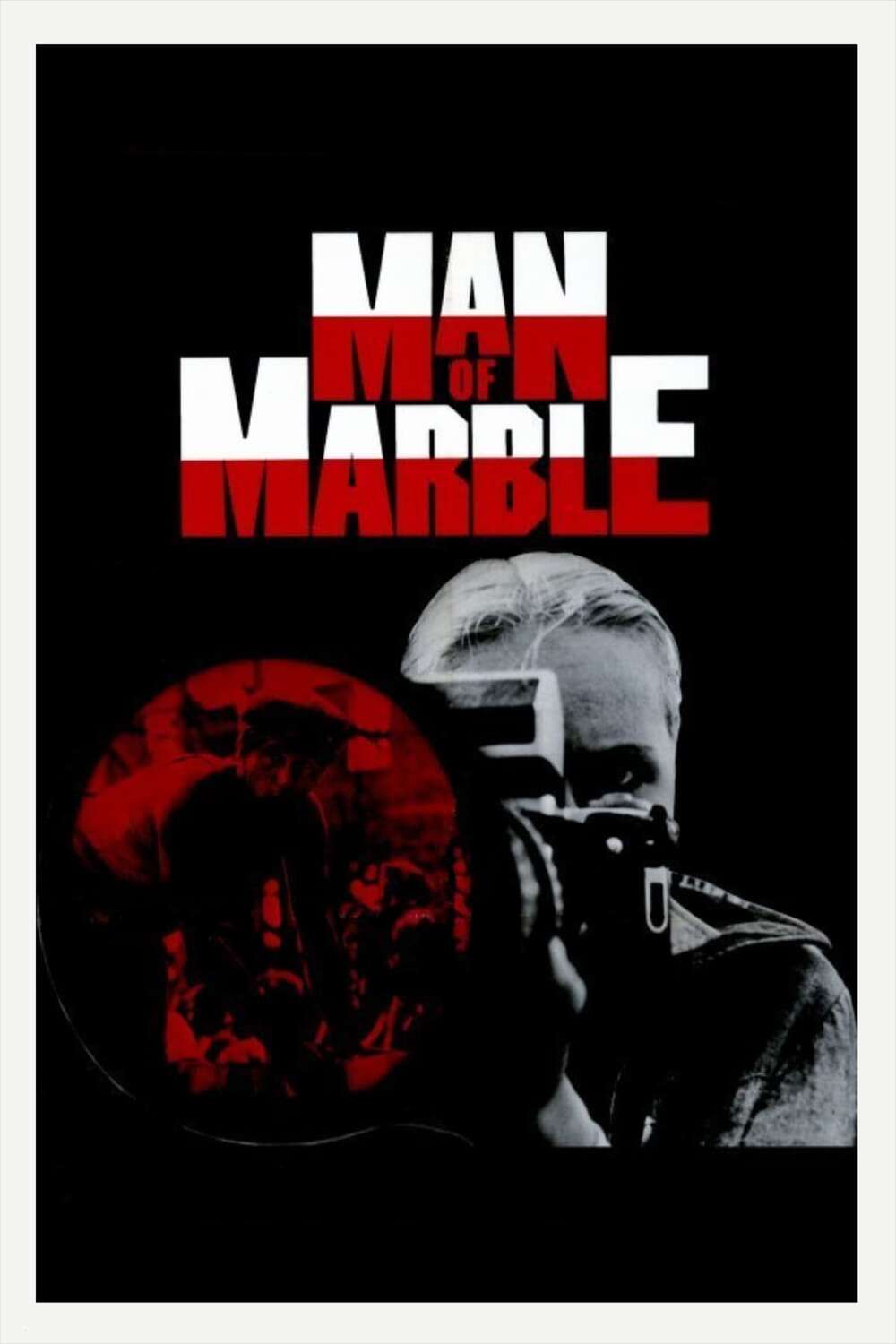
Year of Andrzej Wajda, 100th Birth Centenary Celebrations. Man of Marble / Człowiek z Marmuru (
Andrzej Wajda
18th March 2026
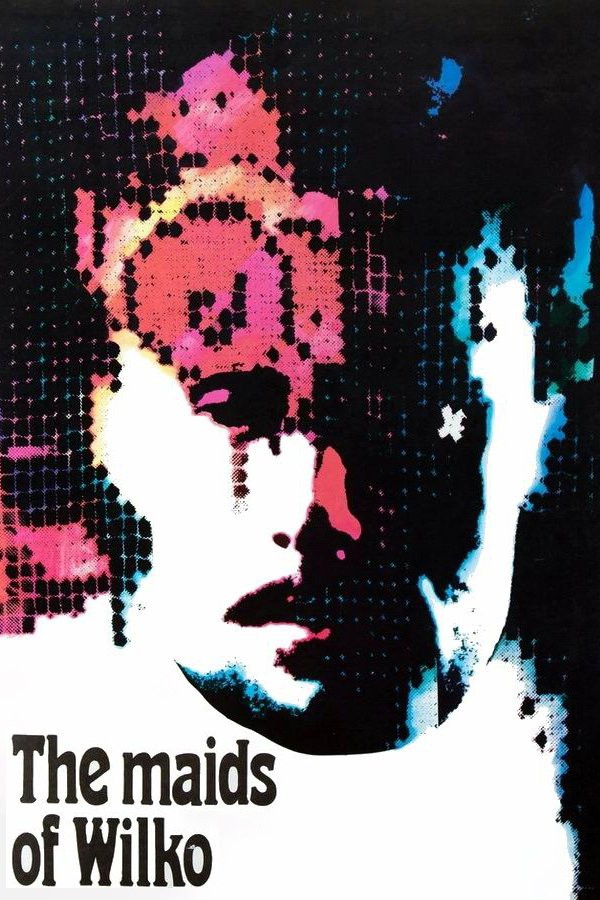
Restored Classics. Year of Andrzej Wajda: 100th Birth Centenary Celebrations. Panny z Wilka / The Maids of Wilko
Andrzej Wajda
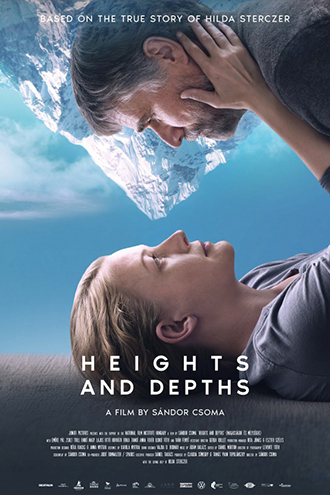
Focus Country - Hungary. Magasságok és mélységek / Heights and Depths
Sándor Csoma
19th March 2026
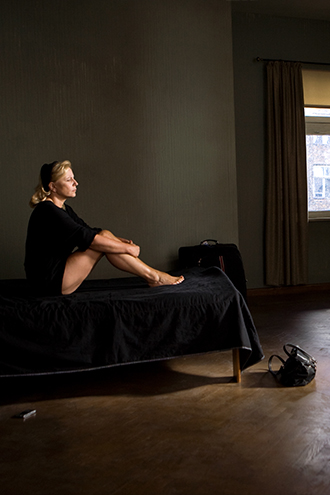
Restored Classics. Year of Andrzej Wajda: 100th Birth Centenary Celebrations. Tatarak/ Sweet Rush
Andrzej Wajda
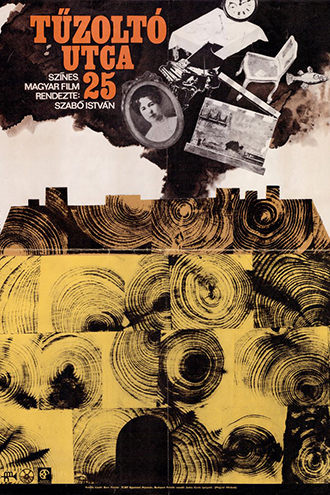
Focus Country - Hungary. István Szabó Retrospective. Tűzoltó utca 25. – Álmok a házról / 25 Fireman’s Street
István Szabó
20th March 2026

Year of Andrzej Wajda: 100th Birth Centenary Celebrations. Powidoki / Afterimage
Andrzej Wajda
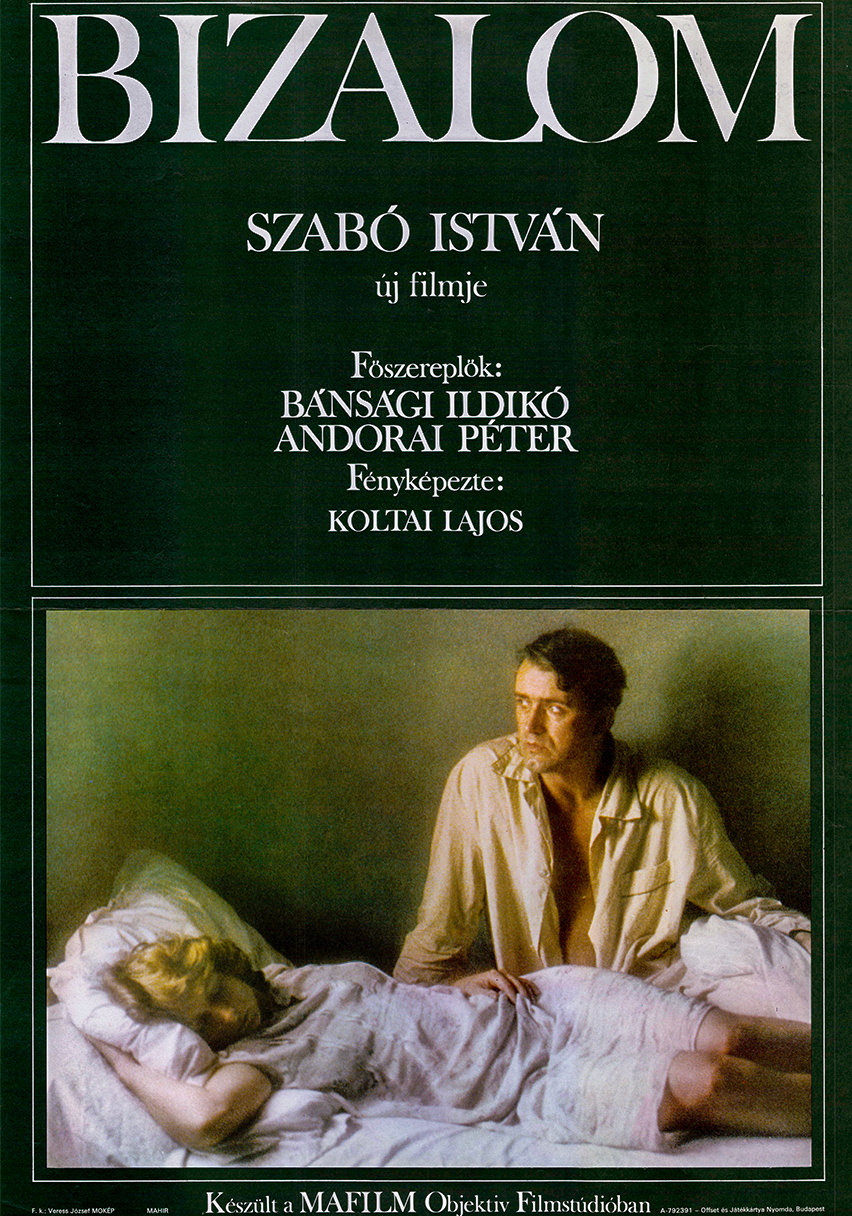
Focus Country - Hungary. István Szabó Retrospective. Bizalom / Confidence
István Szabó
21st March 2026
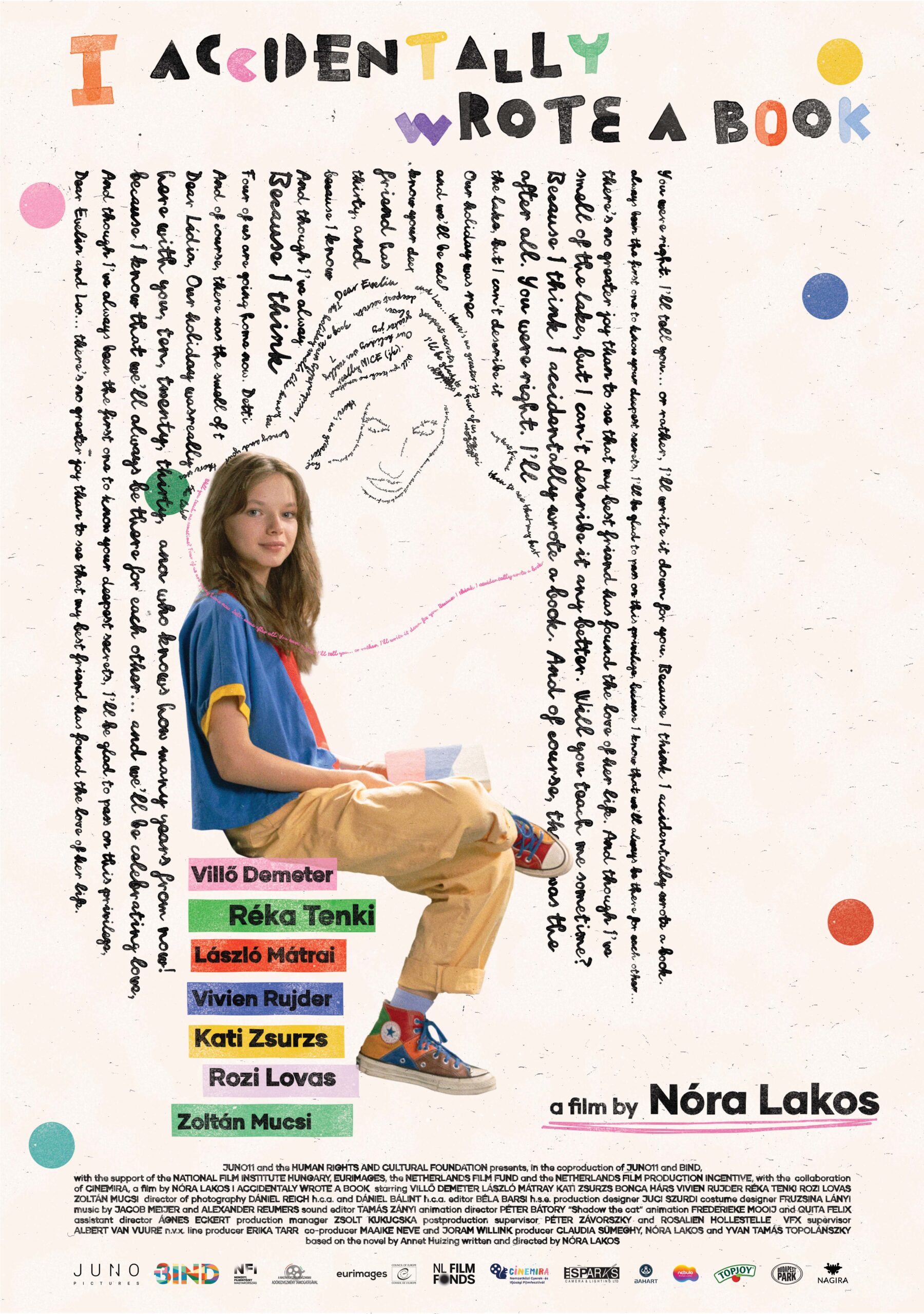
Focus Country - Hungary. Véletlenül írtam egy könyvet / I Accidentally Wrote a Book
Nóra Lakos
22nd March 2026
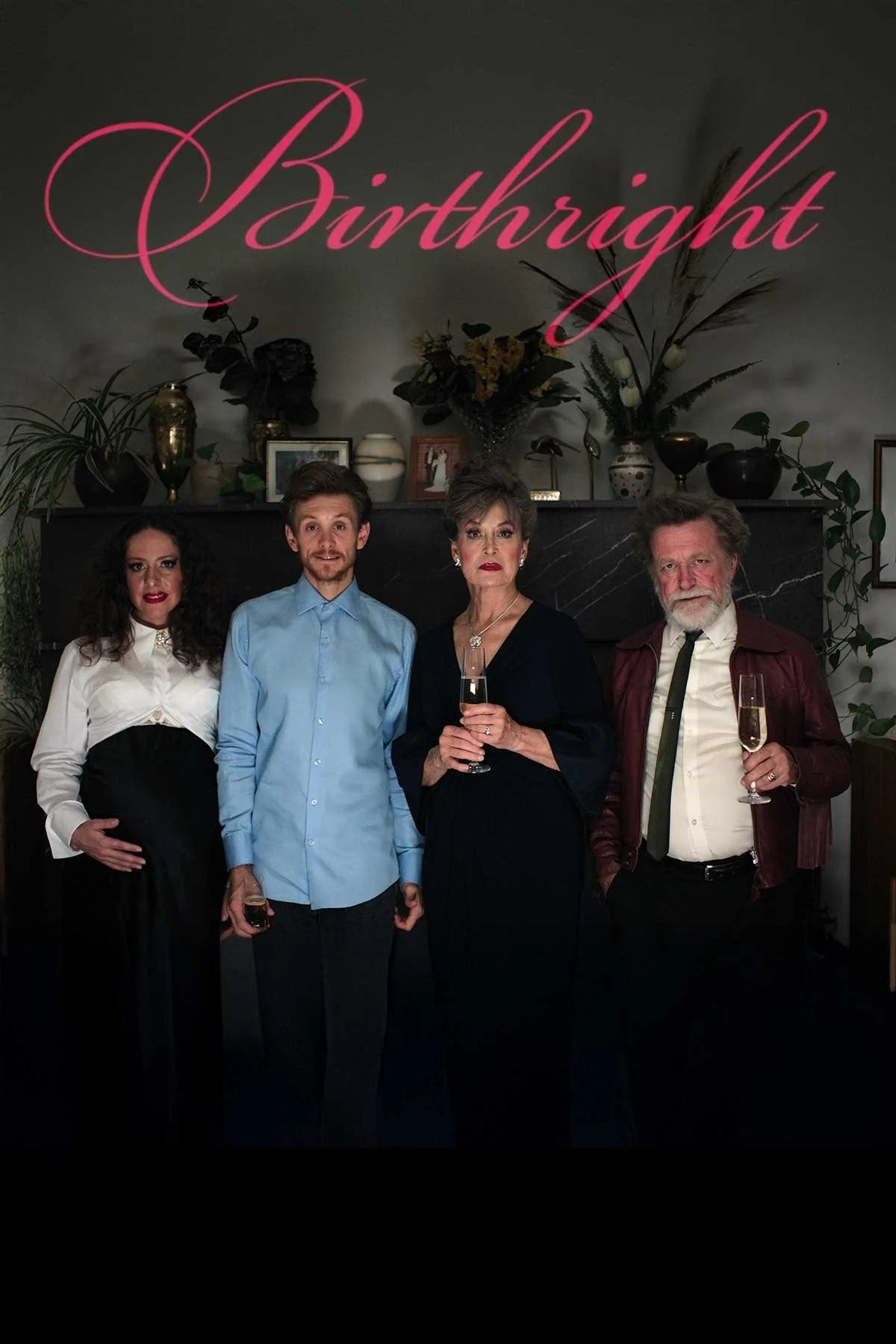
Cory, evicted from his rental, moves back with his pregnant wife, Jasmine. Focusing on his parents' wealth, he decides to achieve success through unimaginable actions.Drawing battlelines between baby boomers and millennials, this theatrical pitch-black comedy offers a fresh slice of Australian Gothic.
A lyrical rural melodrama that announced Hungarian cinema to the world: screened at Cannes and later fondly rediscovered by Cannes Classics, Körhinta is often remembered as Fábri’s early, lyric signature, tender, pictorial, and widely admired for bringing local peasant life to an international stage.
In 1950s rural Hungary, Mari Pataki (Mari Törőcsik), the daughter of a farmer, falls in love with Máté Bíró (Imre Soós), a progressive, hardworking member of the local farming collective. However, Mari's father, István (Béla Barsi), intends to leave the collective to farm privately and plans to marry his daughter off to a wealthy landowner, Sándor Farkas (Ádám Szirtes), to "marry land to land".
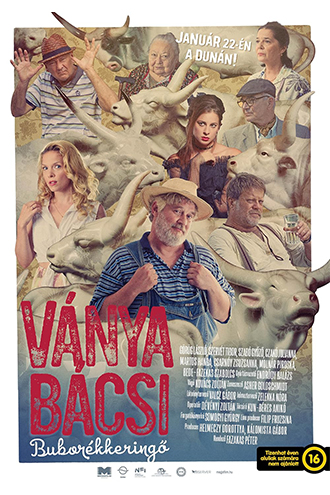
The story is transposed to Hungary in the 1990s, shortly after the fall of communism, taking place on a remote cattle ranch.
The plot revolves around Iván (László Görög), a disillusioned middle-aged man who manages the estate with his sister Mária and niece Szonja. Their quiet, monotonous life is disrupted by the arrival of Iván's brother-in-law Jakab (Tibor Szervét), a once-celebrated theatre critic, and his much younger, beautiful wife Léna (Julianna Czakó) . Léna's presence ignites romantic tensions, as both Iván and the local veterinarian, Dr. Astrov (Győző Szabó), become infatuated with her. This leads to a series of emotional conflicts, unrequited love, and power games, all set against the backdrop of post-socialist rural life.
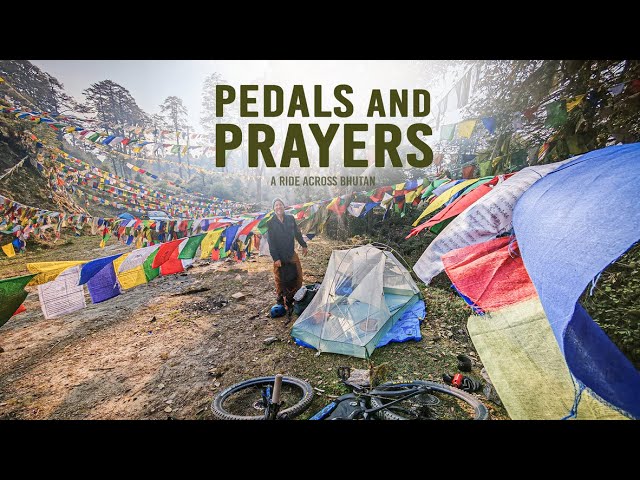
The film tells the remarkable true story of Viktor Zichó and Tshering Dendup, who in the spring of 2024 became the first people in history to cycle the entire Trans-Bhutan Trail. Their journey is a powerful blend of extreme physical endurance, cultural immersion, and the breathtaking beauty of Bhutan's landscapes. The documentary follows their expedition across one of the world's most challenging and sacred routes, showcasing not only the athletic achievement but also the spiritual dimension of traveling through a deeply Buddhist kingdom.
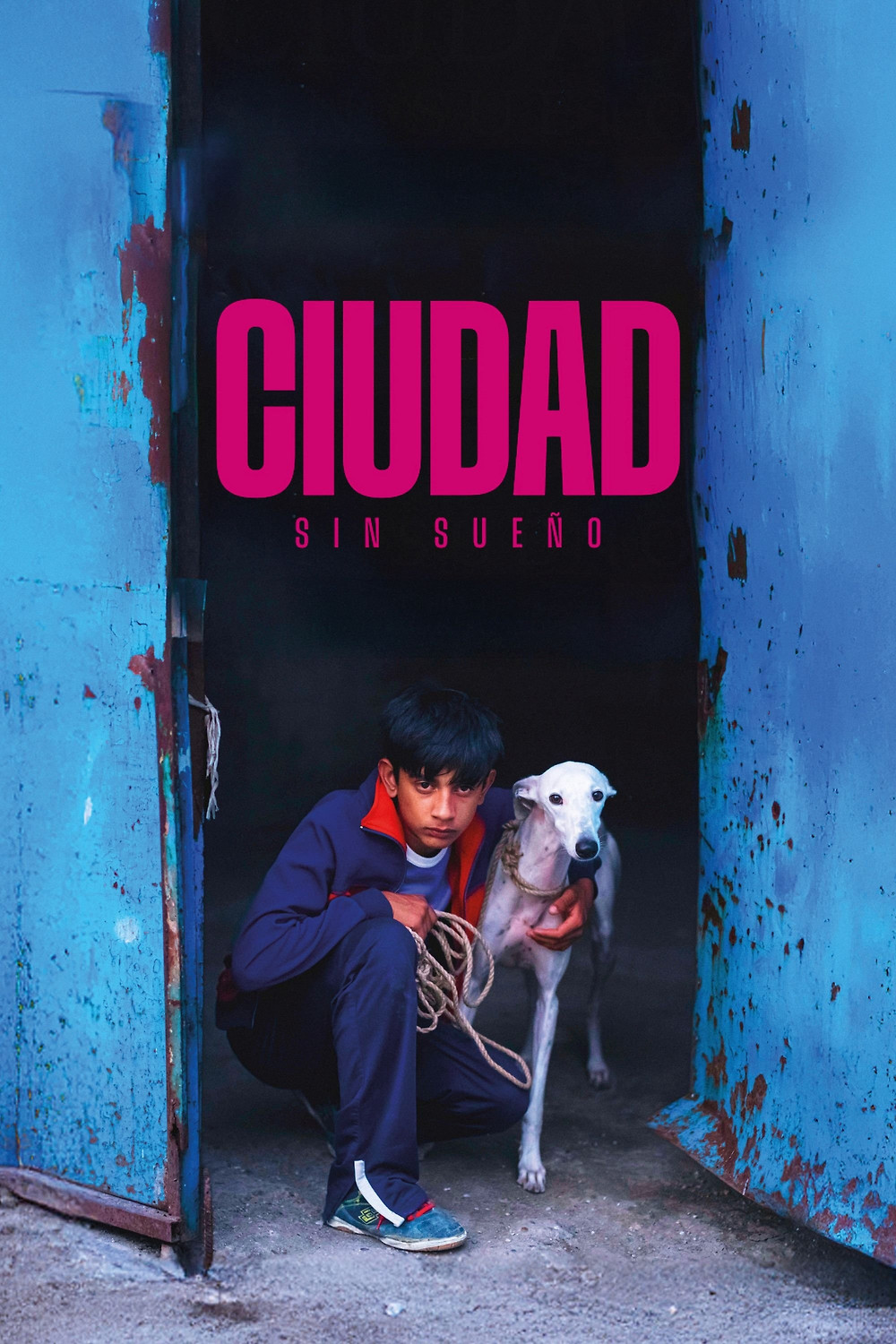
In Madrid’s largest informal settlement, 15-year-old Toni and his scrap-collecting family face eviction from their home. As his grandfather stands firm against leaving, Toni navigates between tradition and survival amid darkening nights.
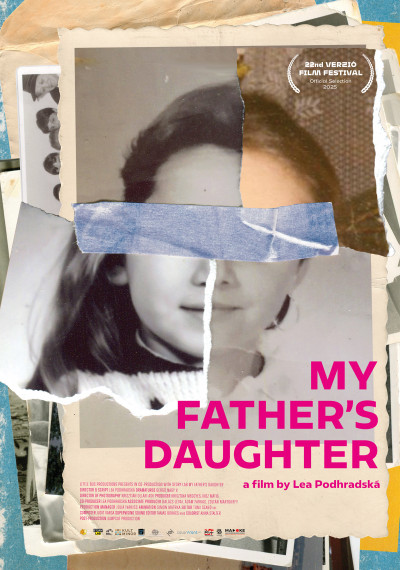
Lea Podhradská was eight years old when her sister, Deni, vanished without a trace. No one searched for her, until 27 years later, a letter arrived from her. The letter, however, brought no comfort: her family threw it away, along with the return address. Lea then decided to pick up a camera and set out to find her sister, and in the process, herself .
The film is both a real-life investigation and a psychological journey, navigating between past and present, reality and memory . Through family archives, self-reflective narration, and imaginative animated sequences, it unravels a story woven from silence. It sensitively reveals how family secrets and trauma are passed down through generations, and serves as a mirror reflecting the social conditions of post-socialist Eastern Europe and the invisibility of women's fates.
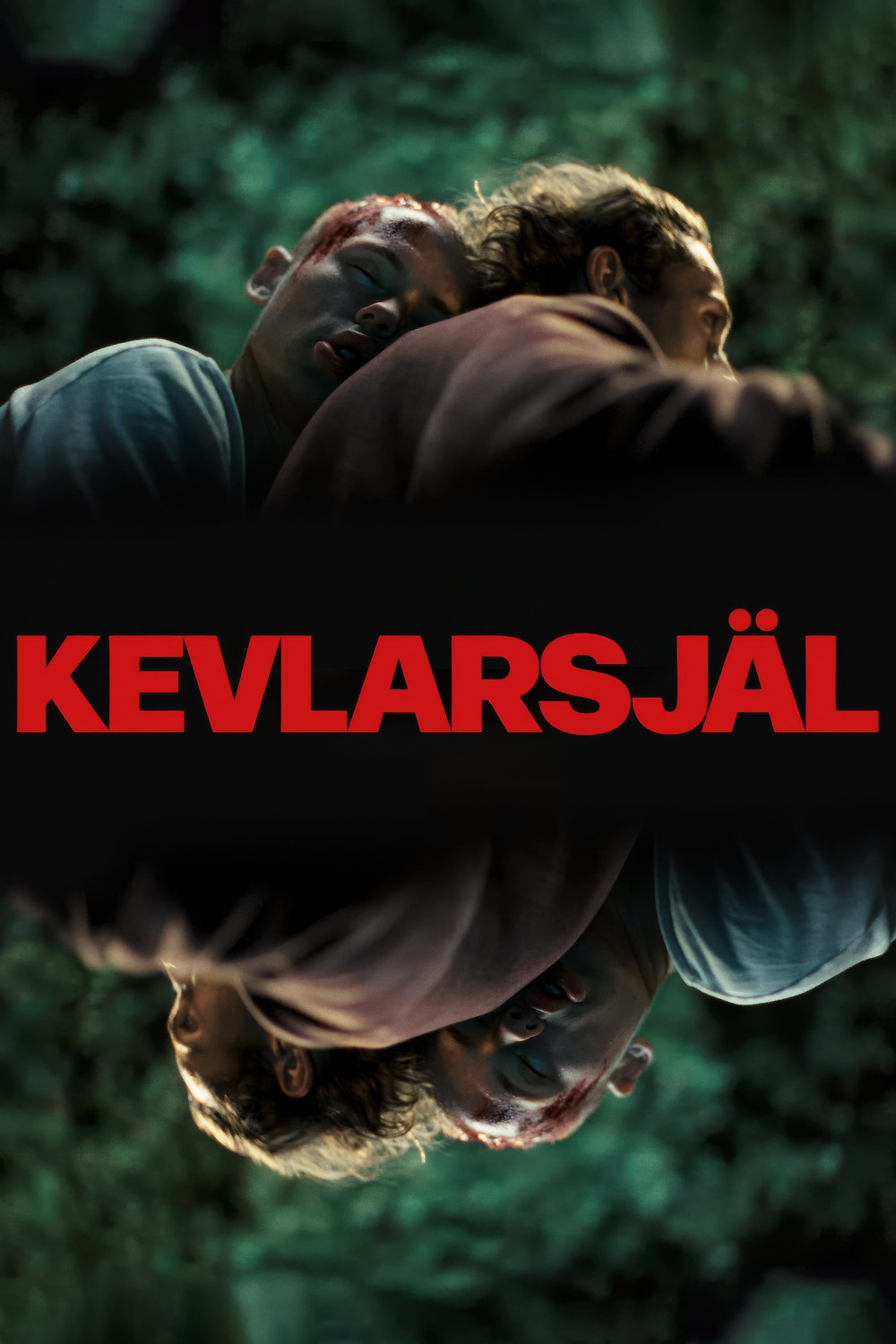
Let down by the adult world, teenage brothers Alex and Robin have been left to fend for themselves. Their protective symbiosis has forged a strong bond that's made Robin completely reliant on the order Alex. That is, until Alex falls in love. Feeling abandoned by Alex, Robin is sent into freefall. Alex blames himself for naively letting his first love distract him from his responsibilities towards his younger brother, and pours all his effort into saving Robin -- who may not want to be saved.
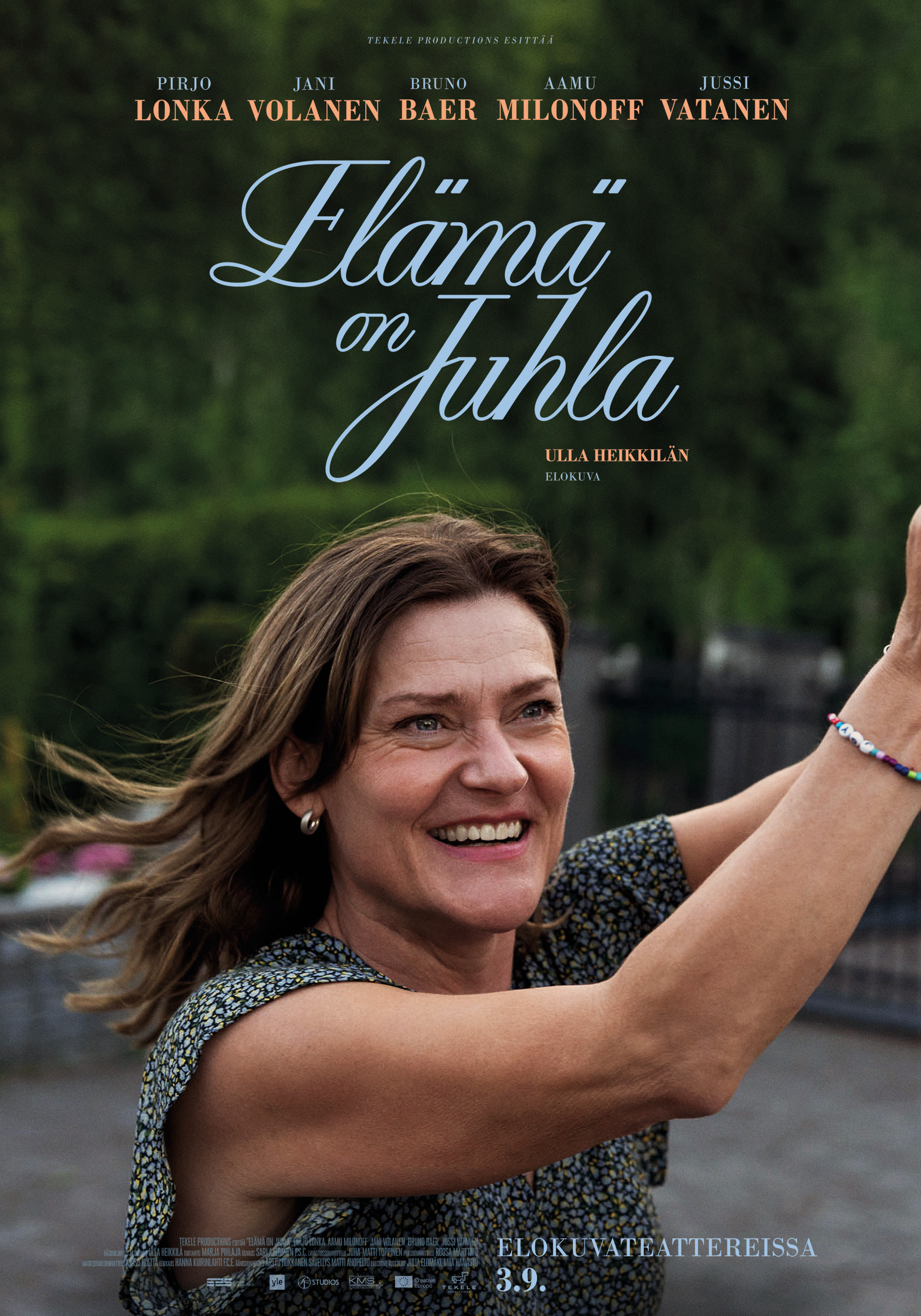
Summer is Crazy is a satirical ensemble drama about a group of people who, for different reasons, are living in a tourist village on the small island of Nauvo in the Finnish archipelago.
Taking place in the middle of the summer, the film revolves around the Eerola family and their entourage: Hannele, a mother who is trying to take care of absolutely everything while having an affair with her boss; Selma, a teenaged daughter who hates the village and her life; Otso, a depressed father whose fine dining restaurant has gone bankrupt; and Samppa, an ex-pop star neighbor trying to clean up his act for his almost too-good-to-be-true son Arttu who is visiting the island for midsummer.
With midsummer festivities approaching, both Hannele’s and Selma’s need for change grows to a new extent. For far too long, Otso’s depression has been like a gravitational field pulling them down. There has got to be more to life than that. Will Hannele find a new move in her stalemate marriage, and will Selma be able to open her heart to Arttu and to the wonders of the world?
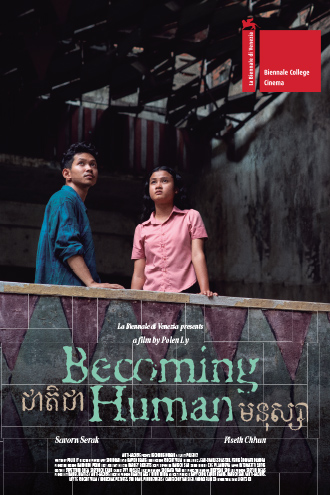
An abandoned cinema’s former spirit guardian wanders through rapidly transformed landscapes to reach her rebirth.
Shocked by the world’s brutality, she must decide whether to become human again or remain a homeless ghost.
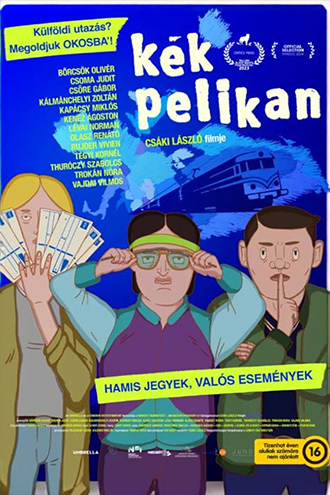
In the early 1990s, following the fall of the Iron Curtain, Hungary's borders suddenly opened. Everyone wanted to travel to Western Europe, young people in particular-but the price of train tickets was prohibitive . Three friends, Ákos (the analytical "brain"), Petya (the sales genius), and Laci, discovered a simple method: using household bleach (Domestos) to dissolve the blue carbon ink of Pelikan-brand carbon paper, allowing them to erase and rewrite international train tickets to any destination . What began as a way to fund their own travels to Scandinavia soon grew into a large-scale forgery operation serving hundreds of customers. When the police launched an investigation, the friends discovered that freedom comes at a price. The film is a unique hybrid, combining animated reenactments (based on audio interviews) with occasional Super-8 live-action archival footage . The animation blends simple 2D foundations with figurine animation, and the team's attention to period details, fashion, scenery, and the changing music of the 1990s, is exceptional . The fast-paced narration creates a nostalgic, heart-warming, and often humorous tone.
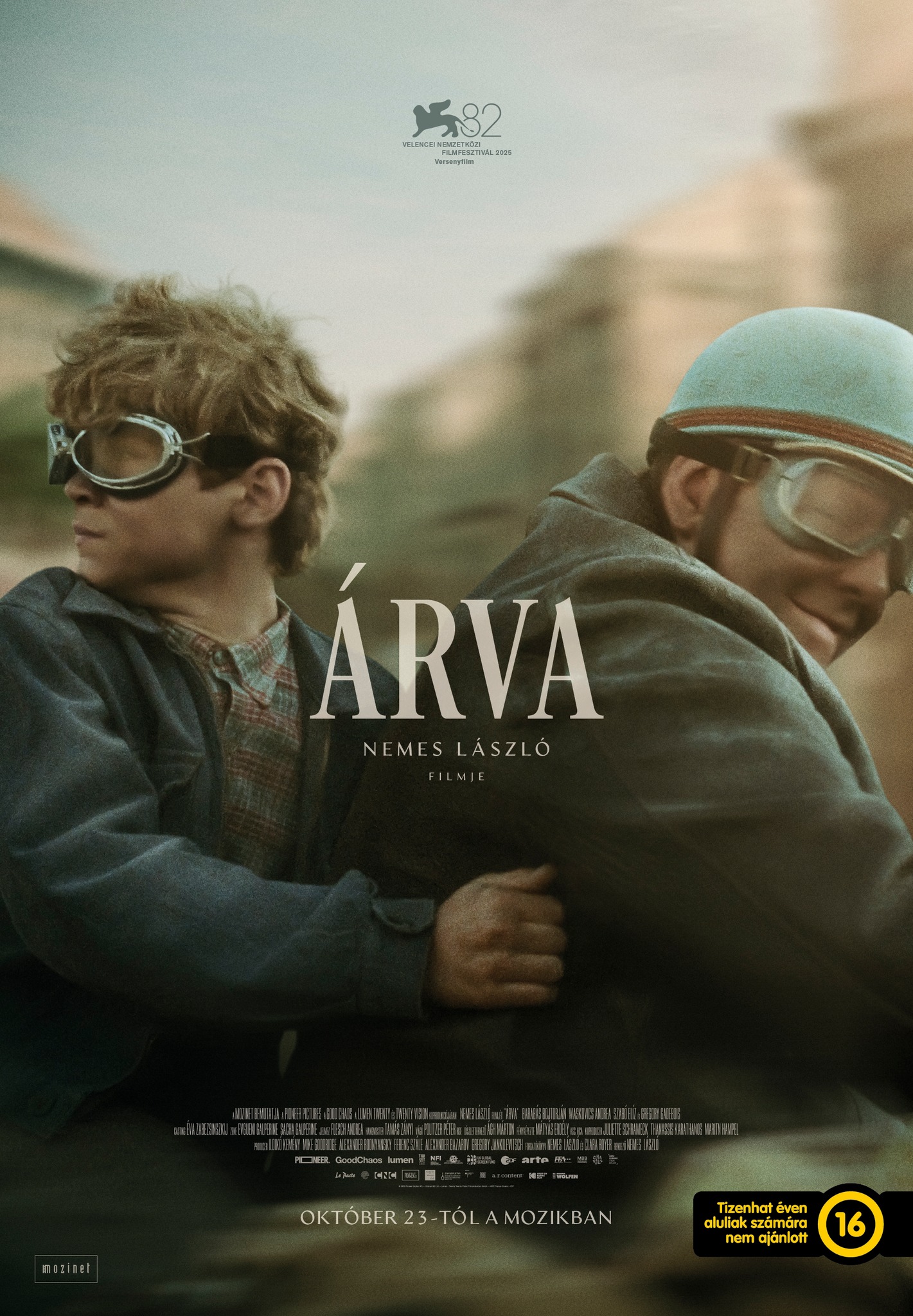
Orphan takes place amid the ruins of the violently suppressed Hungarian Revolution of 1956, during which thousands of anguished citizens challenged the USSR-backed dictatorship and were met with Soviet tanks and troops. The resulting violence and high death toll led to nearly a quarter of a million Hungarians fleeing the country.
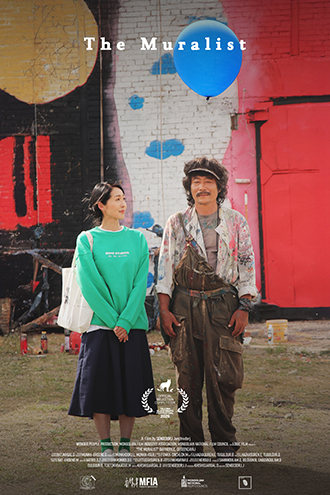
In the post-Soviet sprawl of Ulaanbaatar, Bayaraa, a muralist who spent his glory years in Europe, returns with nothing but a rooftop tent and fading paints. Each dawn he rappels down an abandoned Soviet-era factory wall, painting mythic Mongolian landscapes across crumbling concrete while a sardonic red balloon — equal parts conscience and Greek chorus — floats overhead. When city officials announce the site will be bulldozed, Bayaraa digs in. His unexpected encounter with a young Japanese interpreter slowly dismantles the walls around his heart — and reveals a decades-old wound: the family he abandoned for art.
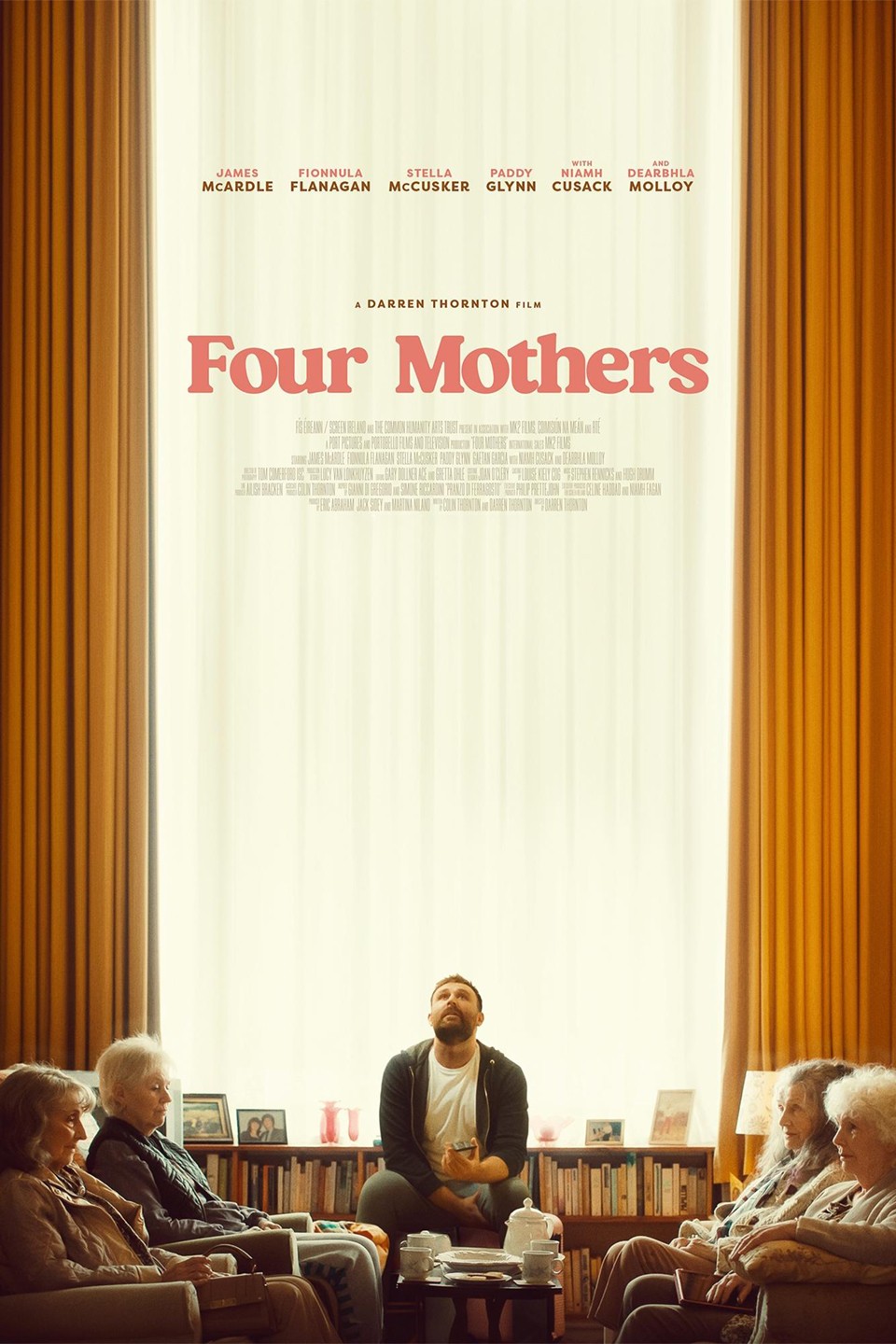
Edward, a novelist saddled with caring for his elderly mother, finally finds himself on the brink of literary success. With pressure to go on a US book tour mounting, the last thing Edward needs is his friends jetting off to Spain for an impromptu Pride holiday, leaving their mothers on his doorstep! Over a chaotic weekend, he has to juggle his burgeoning career with the care of four eccentric, combative, and wildly different ladies.
The film follows the tragic 2013 expedition of Zsolt Erőss to scale the Himalayan peak Kangchenjunga. While he successfully reaches the summit, he dies during the descent, leaving behind his wife Hilda Sterczer and their two children. The story is told entirely through Hilda's perspective as she helplessly follows the events from thousands of miles away, endures a media onslaught that attempts to tear her down, and ultimately must confront her own grief. The film is a poignant portrait of grief and mourning, exploring the public pressure faced by a widow, the slow process of coming to terms with loss, and the "metaphorical mountain" Hilda must climb to emerge from the darkness and forge a new identity for herself.
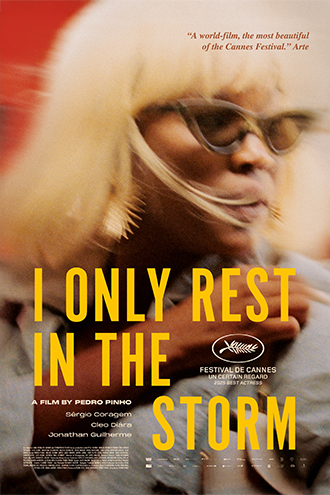
Sérgio travels to a metropolis in Guinea-Bissau to work for an NGO as an environmental engineer on a road project between the desert and the forest. There, he becomes entangled in an intimate yet unbalanced relationship with two inhabitants of the city, Diara and Gui. As the neo-colonial dynamics among the expatriate community unravel, this fragile bond becomes his only refuge from an impending collapse into solitude or barbarism.

Set between World War I and the rise of the Nazi regime, the film follows Klaus Schneider (Klaus Maria Brandauer), an Austrian soldier who develops intense clairvoyant and hypnotic abilities after being shot in the head during the war. Under the guidance of Dr. Bettelheim (Erland Josephson) and his friend Nowotny (Károly Eperjes), he takes the stage name Erik Jan Hanussen and becomes a famous,, albeit controversial, clairvoyant in Berlin. As his predictions start to reveal the rise of Hitler, he falls under the influence of the Nazi party, putting his life and relationships in danger.
Set in Budapest, 1944, during the Nazi occupation, a group of ordinary friends—a watchmaker, a bookseller, a carpenter, and an innkeeper—gather at a pub to drink and talk. Their conversation takes a chilling turn when the watchmaker poses a moral dilemma: if you were to die and be reincarnated, would you choose to be a wealthy, cruel tyrant with no conscience or a virtuous slave who is tortured and loses everything?. What begins as a hypothetical debate soon becomes a terrifying reality when they are arrested by the Arrow Cross and forced to make a choice that defines their humanity.
Fábri’s philosophical war drama is widely regarded as his moral masterpiece. It won the Golden Prize at the 10th Moscow International Film Festival, was shown at Berlin, and was even Hungary’s submission for the Academy Awards. International critics have called it a chilling, rigorous probe of conscience, the film that sealed Fábri’s reputation as a heavyweight in political cinema.

Hendrik Höfgen (Klaus Maria Brandauer) is a passionate, ambitious German stage actor in the early 1930s who longs for fame. While initially apolitical and flirting with communist theatre, he remains in Germany during the Nazi rise to power to pursue his career. He achieves his dream of becoming a star by playing Mephistopheles in Faust. To maintain his status and security, Höfgen enters a Faustian bargain with the Nazi regime, becoming a favourite of high-ranking officials (modelled on Hermann Göring) and ignoring the persecution of his friends and the regime's brutality. The film highlights his descent from an ambitious artist to a tool of propaganda, who realizes too late that he has sold his soul.
Set in Budapest during the waning days of World War II, Kata (Ildikó Bánsági) is forced to leave her home after her husband is compelled into hiding. She is placed under the protection of a man known only as János (Péter Andorai), a resistance operative, and instructed to pose as his wife in a safe house.
Living in constant fear of Nazi detection, the two strangers must navigate an intimate, suffocating existence where they cannot fully trust one another—János, scarred by past betrayal, is emotionally distant, while Kata struggles with her isolation. The film focuses on the psychological tension, suspicion, and eventual love that develops between them as their forced intimacy challenges their perceptions of trust.
A Hungarian drama portraying residents of a Budapest apartment building slated for demolition who spend a hot summer night revisiting their haunted pasts. Through dreams and memories, the film explores Hungarian history—pre-war prejudice, Nazi occupation, and Stalinist deprivations—blending personal regret with a surreal look at an uncertain future.

Little Takó Bence lost his father in World War II, young Takó constructs a fantasy life for him, picturing him as a brave resistance fighter and doctor. However, the myth becomes more and more burdensome. The film follows his journey into adulthood as he tries to emulate his imagined bravery while navigating the political turmoil of Hungary.
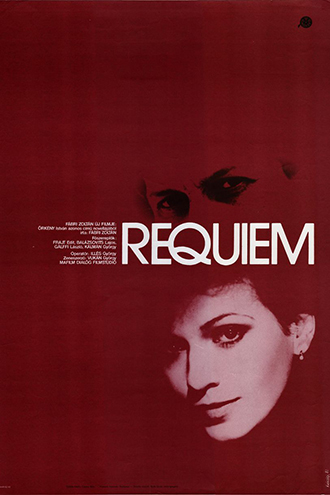
The story follows a woman who, while assisting her doctor husband, meets a young patient with a peculiar manner of eating that reminds her of her first husband. She discovers the young man was actually her former husband's cellmate before he died in prison years earlier. The film uses shifting temporal planes to recount their tragic love story set against the stifling political atmosphere of the 1950s.
The film follows a group of landless Hungarian peasants who leave their home village to work as migrant labourers on a large farm in northern Germany. Though the wages are good and they are initially sheltered from the front lines, they become uncomprehending witnesses to the atrocities committed by the German army against POWs and civilians. As the war draws to a close, they choose to return to Hungary, only to be swept up in the final, violent tides of the conflict.

6:00pm | Inauguration
6:15pm | Focus Country - Hungary. Opening Film. MANCH (Docu/ Hungary/ 2026/ English, Hindi/ 30 mins) Dir. Tanuja Shankar Khan. Created by Mariann Erdo and Vikrant Singh. A moving documentary that chronicles a six-week theatre workshop conducted with children from the NGO, Mera India Mera Adhikar (MIMA). MANCH - meaning “stage” in Hindi and “paw” in Hungarian-served as a bridge between cultures. Interwoven with rehearsal footage, interviews, and performance visuals, it showcases theatre as a tool for empowerment, cultural dialogue, and social inclusion.
6:45pm | Focus Country - Hungary. Dramatised Performance of Ribike (Hindi/20 mins), Hungarian folk Tale by students of MANCH. Dir. Vikrant Singh, Drama Therapist, Theatre in Education, Writer & Director. Story about a beautiful girl cursed into a lizard after princes quarrel over her. The youngest prince, Miklós, with help from magical forest allies, completes three royal trials. At Ribike’s request, he breaks the curse, restores her human form, and wins the throne. From Shadows to Spotlight – The Emergence of the MANCH Performers interaction with the creators of Manch with Bikramjit Gupta.

The film is a sprawling, ambitious triad that uses a single, ancient Ginkgo tree in the botanical garden of the University of Marburg, Germany, as its silent, observing central character .The film weaves together three distinct stories across different eras, all connected by the same tree.

Paris, 1835. The celebrated composer Fryderyk Chopin moves through the glittering salons of high society—giving concerts, teaching to sustain himself, and quietly battling fragile health. Amid aristocratic and royal circles, he creates some of his most enduring masterpieces, attends elegant soirées, and navigates the complexities of love and longing.
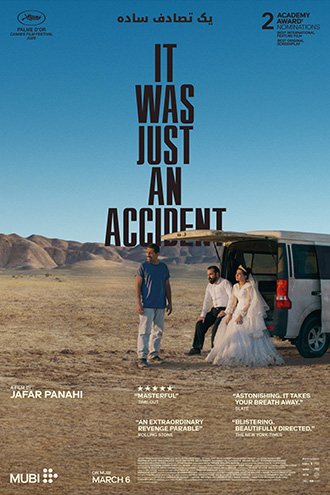
When an auto mechanic encounters the man who may have been his torturer in prison, he kidnaps him to exact vengeance. But since the sole clue to Eghbal’s identity is the squeak of his prosthetic leg, Vahid turns to other now-freed victims for confirmation. And the danger only escalates. Master filmmaker Jafar Panahi creates a deeply felt moral thriller, where high stakes tension combines with unexpected flurries of humor and thoughtful, sometimes devastating questions regarding persecution and revenge.
La Grazia follows Mariano De Santis, a Catholic and former judge, during his final months in office. He is consumed by the past and the unresolved, painful memories of his wife, Aurora. The film explores the definition of "grace"- both in terms of legal pardon and in spiritual absolution.
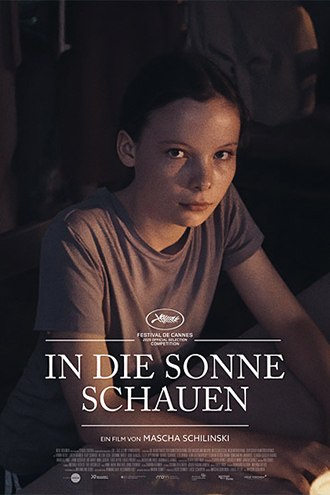
A remote German farm harbors generations of secrets. Four women, separated by decades but united by trauma, uncover the truth behind its weathered walls.

At the end of the First World War, as Italy lays to rest its Unknown Soldier, the great Eleonora Duse reaches the twilight of her legendary career. Yet despite her age and fragile health, the woman many consider the greatest actress of her time decides to return to the stage. Her daughter's reproaches, her complex relationship with the poet D'Annunzio, the rise of fascism, and Mussolini's ascent to power-nothing will stop Duse, "the Divine".
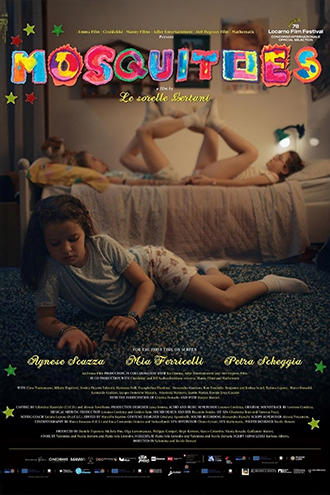
In 1997, eight-year-old Linda lives with her carefree mother and wealthy grandmother. Despite missing several teeth, she navigates childhood between her mom's friendly approach and grandma's affluent world.

Set in 1847 Vienna, the film follows Dr. Ignác Semmelweis, a passionate but short-tempered doctor who delivers babies and performs autopsies daily while desperately searching for the cause of puerperal fever, a mysterious epidemic decimating women in the hospital's maternity clinic. His superior forbids him from pursuing his research and assigns a young midwife, Emma Hoffmann, to spy on him. Despite their rocky start, Semmelweis and Emma develop a romance. When his friend is wounded during an autopsy and dies with the same symptoms as the women in childbirth, Semmelweis discovers the cause, doctors were transmitting infection from autopsies to patients, and the prevention: handwashing in chlorine solution. Half of his peers discredit his findings, yet he continues fighting to prove his theory.
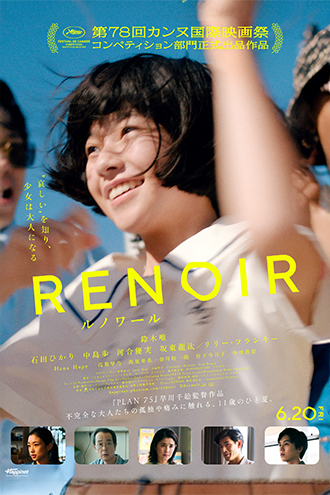
Suburban Tokyo, 1987. 11-year-old Fuki’s father, Keiji, is battling a terminal illness, and in and out of hospital. Her mother, Utako, is constantly stressed out from caring for Keiji while holding down a full-time job. Left alone with her rich imagination, Fuki becomes fascinated by telepathy and falls ever deeper into her own fantasy world.
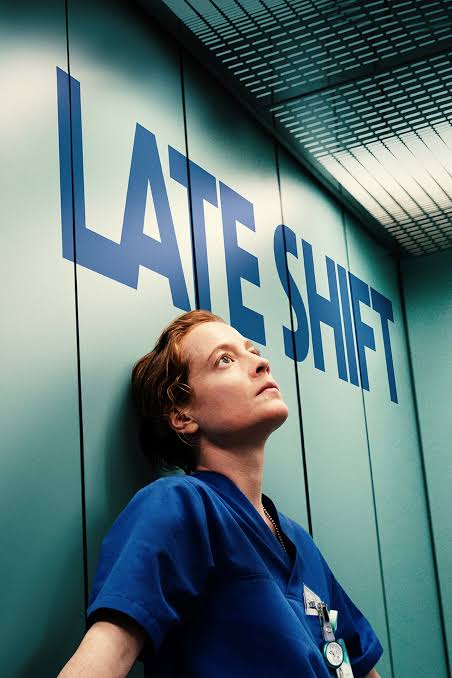
Floria, a dedicated nurse, tirelessly serves in an understaffed hospital ward. However, today her shift becomes a tense and urgent race against the clock.As her overnight shift intensifies, she is pushed to the brink in a race against time.
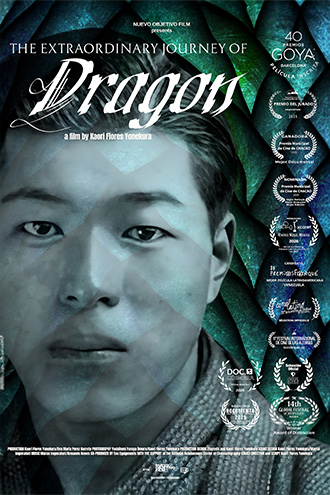
A filmmaker discovers her great-uncle Yoshitomi's photographs from 1933 to 1945. His journey from Japan to Peru and his captivity in Venezuela during World War II reveal the Dragon: a migrating chimera that fuses memory, myth, and reality.
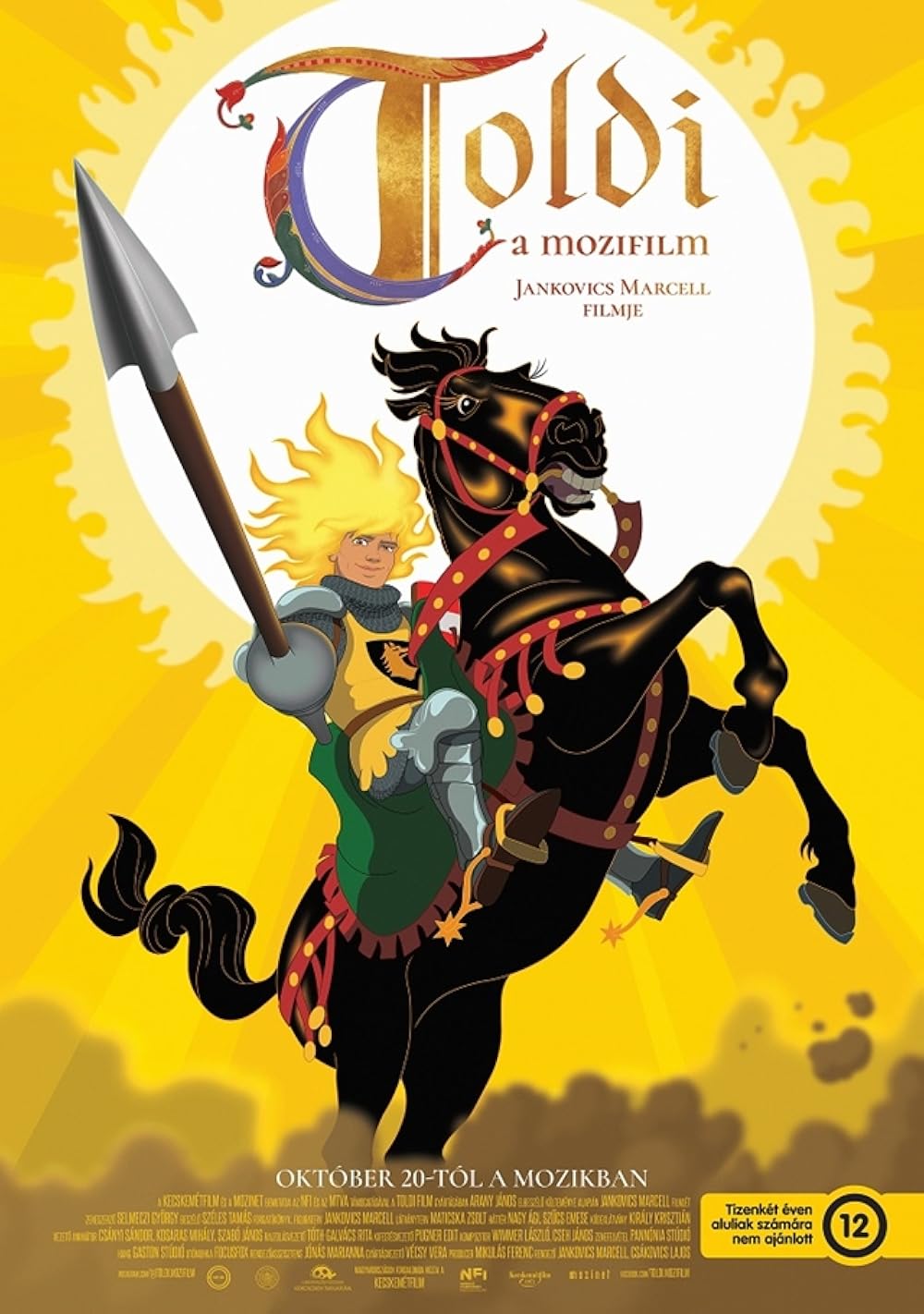
The film tells the story of Miklós Toldi (narrated by Tamás Széles), a powerfully strong but impulsive young nobleman living on his family's estate in medieval Hungary. Forced into hiding after committing a careless murder, he embarks on a journey to the royal court in Buda to seek the king's mercy and prove his worth as a knight. His path is filled with adventure, a rivalry with his treacherous brother György, and a final test against an invincible Czech knight.
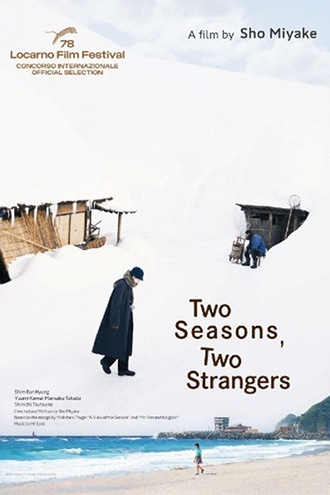
In summer, Nagisa, a woman from the city, and Natsuo, a young man visiting his relatives, meet by the sea. Their vacant gazes reflect each other as they exchange awkward words and wade into the rain-drenched ocean. In winter, Li, a screenwriter in a creative slump, travels to a snow-covered village with an old camera left behind by a late acquaintance. There, she finds a peculiar, desolate guesthouse run by the enigmatic Benzo. Their conversations rarely connect, yet they set off on an unexpected adventure.
The works of Yoshiharu Tsuge, blending melancholy with quiet resilience, have earned worldwide acclaim and continue to resonate across generations. Sho Miyake—one of the leading voices in contemporary Japanese cinema—brings Tsuge’s world to the screen with a delicate balance of fable-like storytelling and modern sensibilities. Through striking landscapes, fleeting encounters, inexplicable moments of oddity, and a cast of endearing characters, the film humorously captures the primal joys of journey and the quiet absurdity of being human.
Screening followed by interaction with the editor of the film, Keiko Okawa. In conversation with Raman Chawla, film curator.
In a community located in the oldest place on planet Earth, in southern Venezuela, three generations of the Pemón people are fighting for the return of their ancestral grandmother, Kowai Kueka. Her spirit is embodied in a red jasper stone weighing more than 20 tons, which was stolen and transported to Germany without the community's consent to be part of an art installation. The council of wise men and women of Mapauri recalls the times when abundant food was a sign of the balance maintained by Kowai Kueka and Amoko, her grandfather. After her abduction, the planet's natural cycles were altered, generating relentless rains that flooded crops and punished hundreds of human beings, alternating with prolonged periods of drought. The guardians of ancestral memory embark on a journey of resistance against memory murder to restore natural balance.
Will the wise men and women be able to achieve the return journey of Grandmother Kueka, exhibited as an object in a Berlin park?
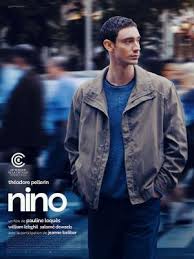
Three days in the life of Nino – the wanderings of a young man in Paris, as he is torn between his yearning for solitude and his need for other people. He explores the streets of Paris to reconnect with the world and himself, after being diagnosed with cancer.
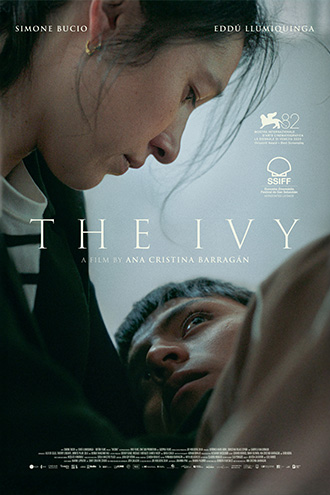
Azucena, a woman in her thirties, approaches Julio, a teenage boy living in a group home, for reasons he doesn’t understand. As they spend time together, an uneasy closeness grows, changing the shape of a bond neither expected to find.
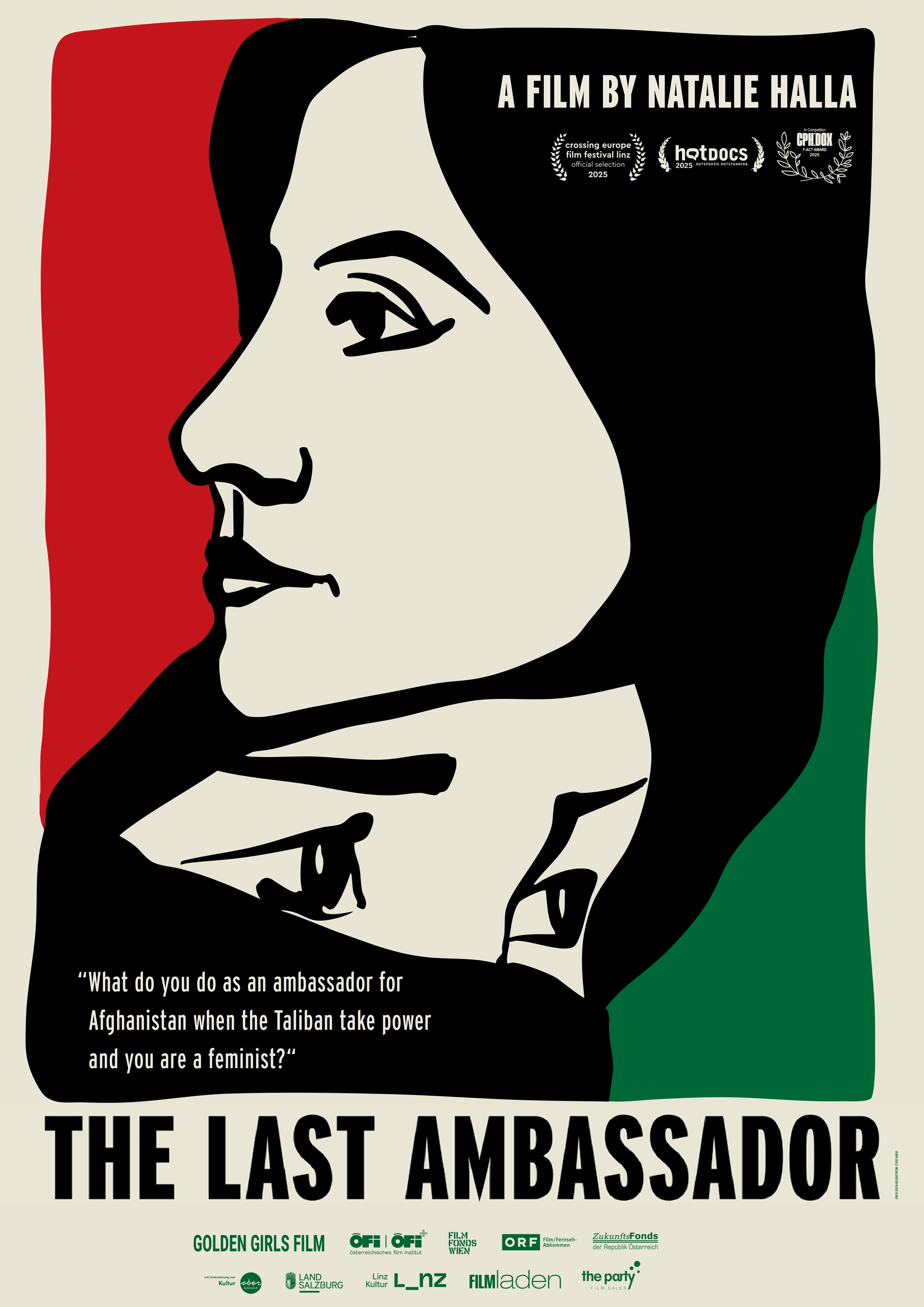
The Afghan ambassador in Vienna, Manizha Bakhtari, is in a bizarre situation since the Taliban took power: she represents a country whose old government fled and whose new Taliban government has no international recognition. Under increasingly difficult conditions, she decides to stand up to the Taliban and continue her courageous fight for the rights of Afghanistan's women.
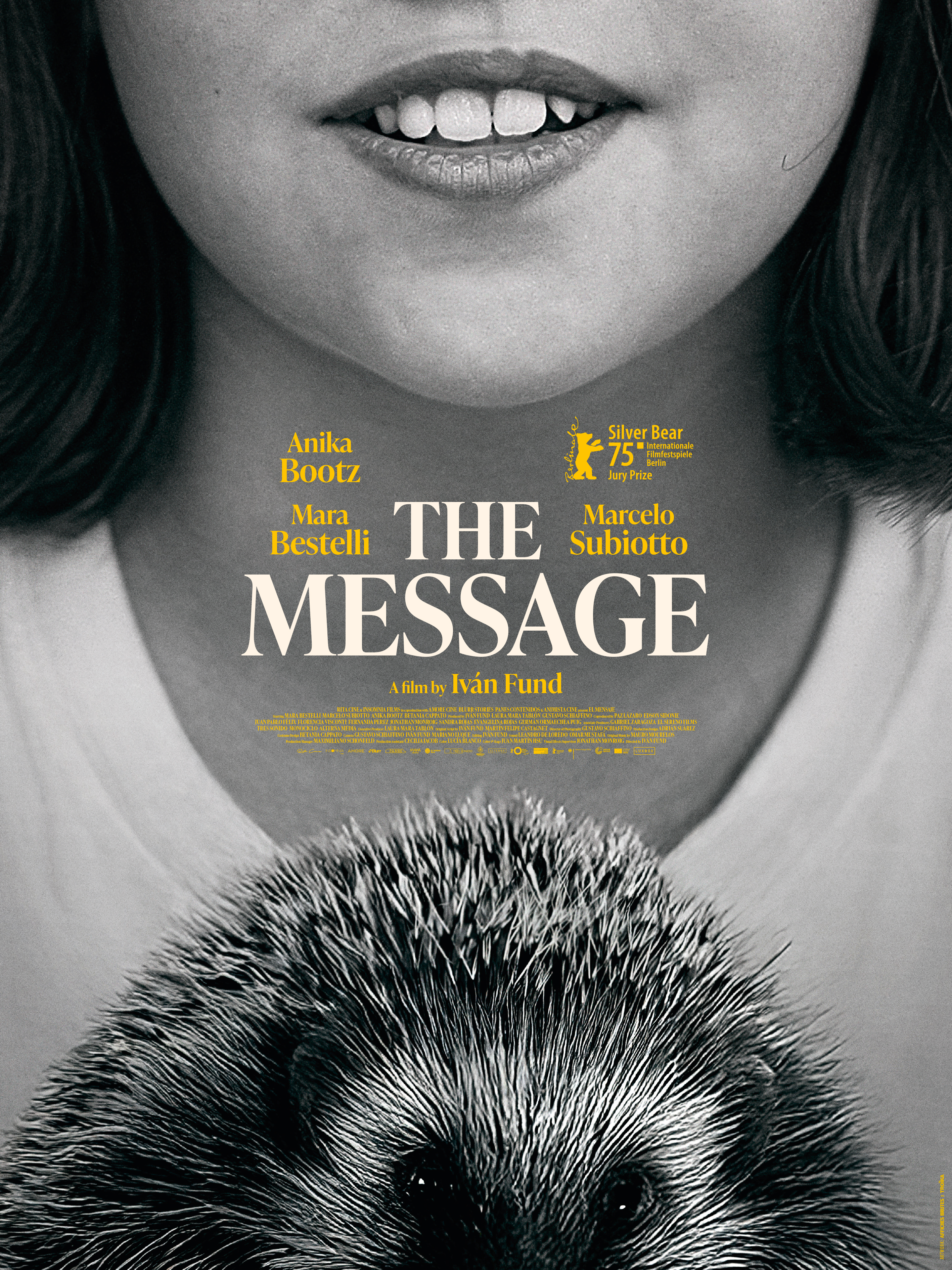
On the dusty roads of the Argentinian countryside, a young girl’s talent of communicating with animals pushes her opportunistic guardians to sell pet medium consultations to make a living.
They have their roles clearly defined: the woman, Myriam, interprets the messages the girl, Anika, receives and her partner, Roger, negotiates the price of each transaction.
Here, the transcendent is worth pennies, and opportunism is dangerously close to the truth. Yet, one thing is certain: whether magic or fraud, the service is real.
Between sessions with domestic and wild animals, this atypical trio is heading to visit the girl's mother, who is institutionalized in a psychiatric hospital and seems to possess the same gift shared by the women of the family.
As the journey unfolds, it becomes clear that little Anika is the one who comforts the adults in this emotional road movie, where maturity means realizing that innocence is a treasure to be protected.

Old friends Em and Jessie reconnect for a weekend. Their conversations flow naturally, covering light topics and deep emotions. They represent a generation of resilient young women navigating life's ups and downs with honesty and humor. Em has travelled from Sydney to visit her friend Jessie. They don’t have any plans – and there isn’t even a proper duvet for Em, although the two young women won’t be sleeping anyway. For soon their sweet, smart babbling is in full flow, moving from the banal to the heavy and back again. Both of them are lost in their own way. The hours they share become a space of play, just as their slacker-like movements through the city turn into an observation of themselves and those around them.
Screening followed by online Q & A with the director.
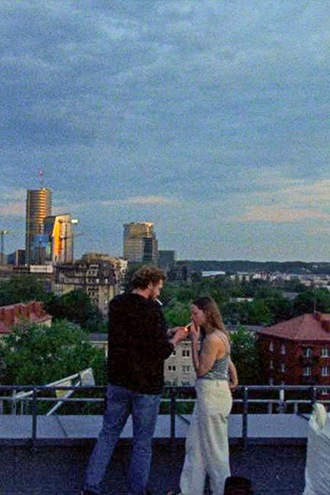
Present-day Vilnius, Lithuania. Ilona, a perfectionist 29-year-old, feels the pressure to be settled and successful by the time she turns 30. At this turning point in her life, she begins to question how she truly wants to live. She moves into a seemingly perfect apartment with her boyfriend Matas, with whom things are getting serious. But as the building's renovation begins, it's not just cracks in the walls that are revealed — Ilona’s inner doubts also start to surface.
She strikes up an unexpected friendship with Oleg, a Ukrainian construction worker. After spontaneously telling him she’s a poet, she actually begins to write poetry. Their connection deepens her uncertainty: does she really want to settle down and start a family?
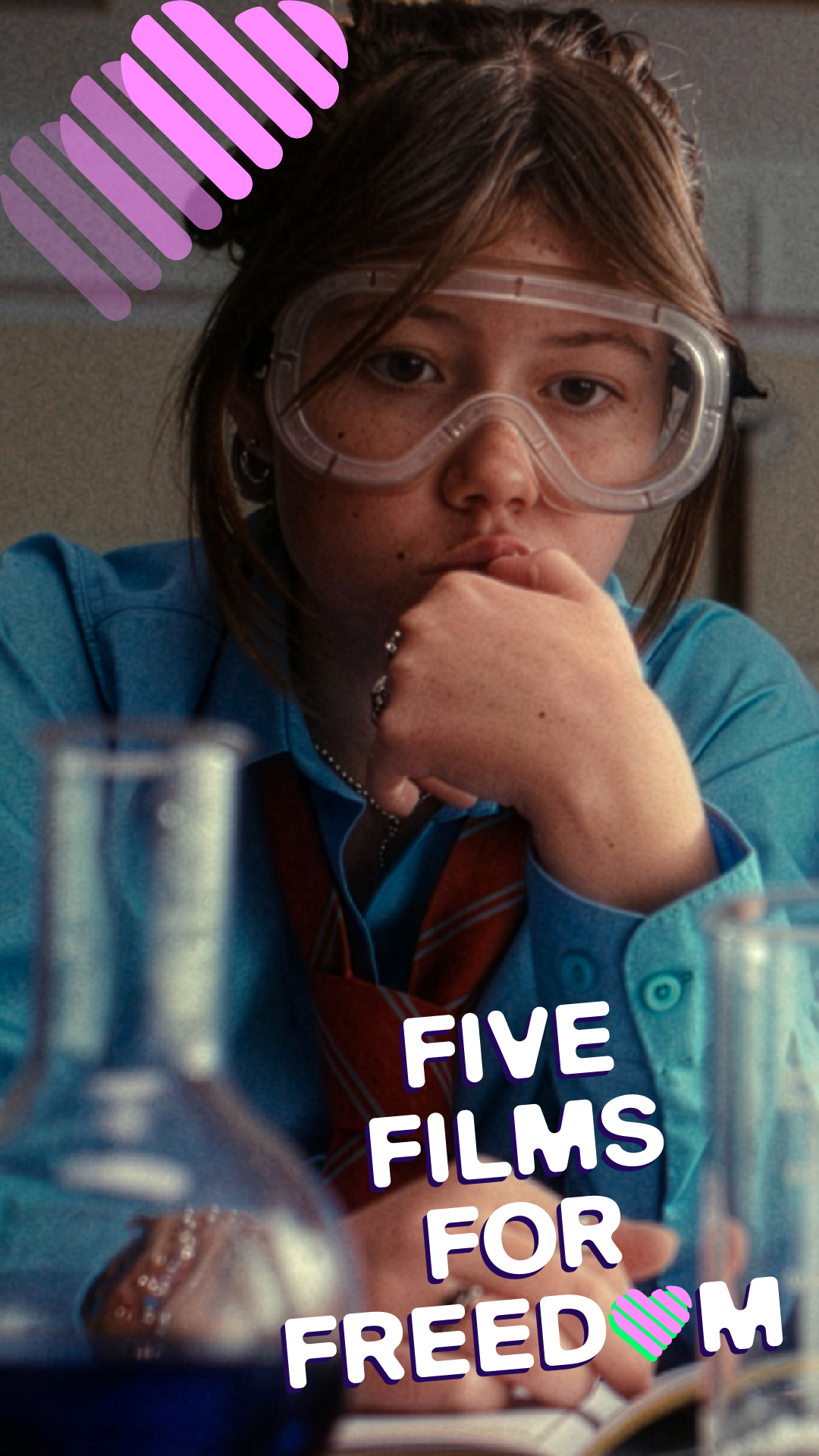
I Hate Helen (Short film/UK/English/2025/7 mins) Dir. Katie Lambert. Priya hates Helen. She hates her in the canteen. Hates her in science. Especially hate her at swimming. Mostly, Priya hates the way Helen makes her feel.
Rag Dolls (Short film/USA, Mexico/English, Spanish/2026/12 mins) Dir. Amy Adler. Married couple Rosalinda, born with spina bifida and Diana,who has cerebral palsy navigate life in Puebla, Mexico, where disability intersects with discrimination and poverty. Abandoned by family, underserved by government support systems, and facing persistent homophobia, the women have built a life centred on mutual care and protection. Observing a single ordinary day, the film follows their routines, a romantic date, and moments of reflection on their enduring love.
Room 206 (Short film/France/French/2025/16 mins) Dir. Laurie Bisceglia. After undergoing gender-affirming surgery, Clair no longer cares what the world thinks. Reclaiming his body becomes a path toward self-recognition for the first time in his life. This documentary accompanies him not only through physical change, but towards emotional renewal and a new beginning.
Sweat/Mô Hôi (Short film/Vietnam/Vietnamese/2025/15 mins) Dir. Edward Nguyen. On the eve of leaving rural Vietnam, farm worker Hung prepares to illegally cross the border in search of refuge abroad. Defined by routine and labour, his final day with Hoang, a fellow worker, reshapes his understanding of desire, intimacy and selfhood.
Theo (Short film/Brazil/Portuguese/2025/15 mins) Dir. Monica Palazzo & Joana Galvão. Brazil, 1986, during the World Cup, seven-year-old Theo quietly navigates school life while defying rigid gender expectations. Between silence and rebellion, they begin inventing their own way of existing.
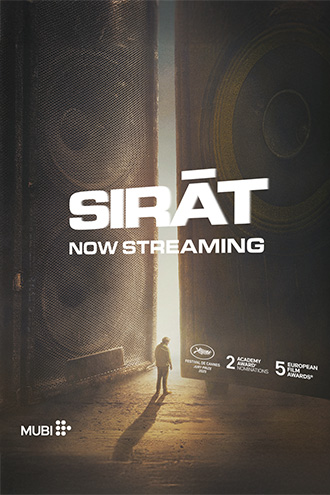
Traversing scorched landscapes of liminal danger and apocalyptic revelry, Oliver Laxe won the Cannes Jury Prize with this thrillingly unpredictable road movie. Galvanized by earth-shaking sounds of gear-grinding techno, Sirāt is an audacious encounter with powerful forces—both sublime and absurd.

From That Small Island is an ambitious and ground-breaking feature documentary, which tells the story of the Irish from the first inhabitants to the present day, tracing the ebb and flow of people into and out of the island. Who are the Irish? Where did they come from? Where do they go? Six million people live on the island of Ireland, but over 80 million people worldwide say that they are Irish. Narrated by Colin Farrell and featuring an original score by Colm Mac Con Iomaire. From That Small Island provides a compelling narrative of Ireland and the Irish people.
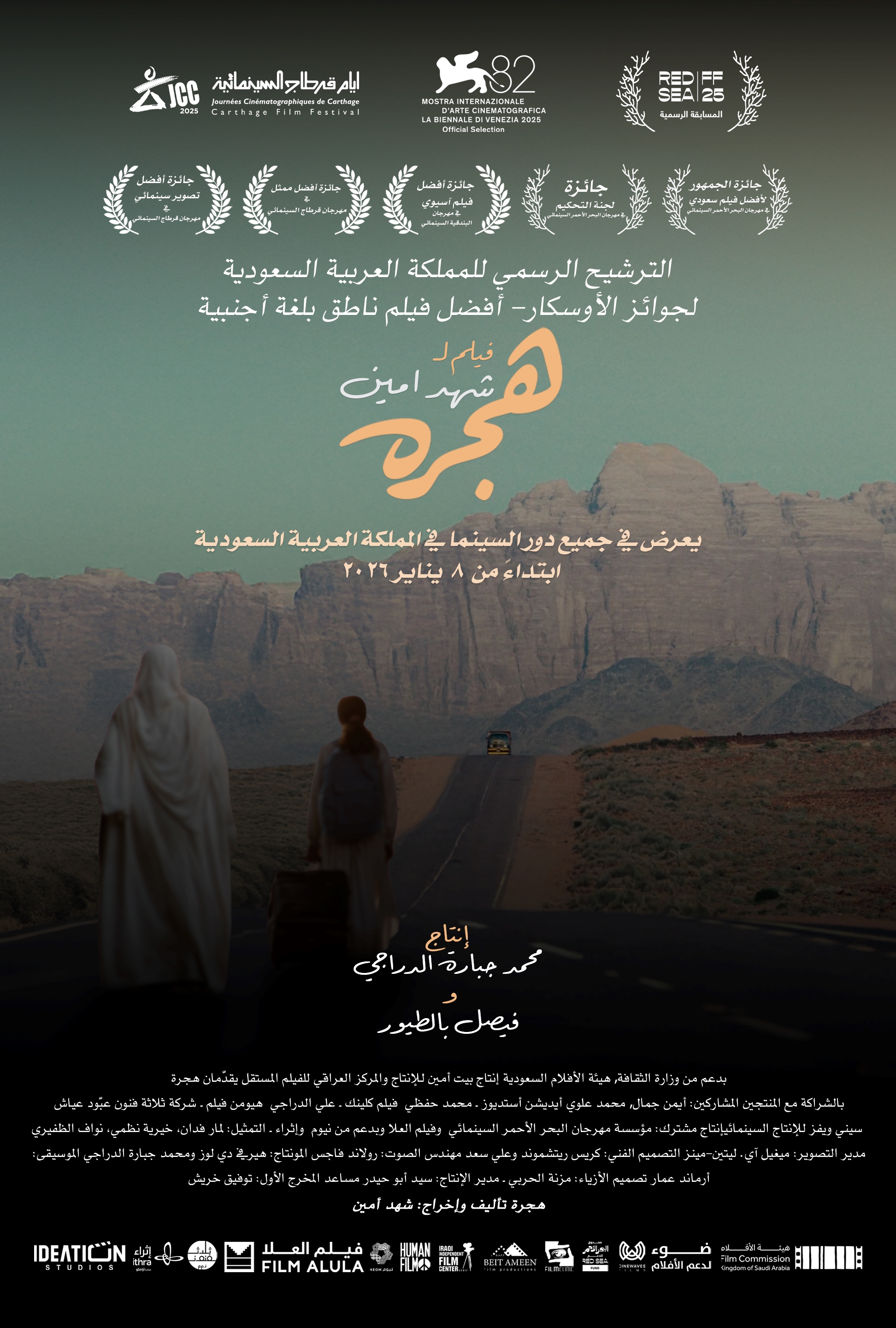
Hijra is a contemporary drama that follows a woman’s inner and physical journey across borders of geography, memory, and identity. Set against the backdrop of migration and transformation, the film explores themes of belonging, faith, resilience, and personal liberation. Through a poetic and visually driven cinematic language, Hijra reflects on the meaning of home and the cost of crossing invisible and visible boundaries.
Andrzej Wajda's most recognizable film worldwide, creators like Martin Scorsese admit to being fascinated by this title. A very innovative work. Confrontational, political, a classic of the Polish film school.
Fábri’s faithful adaptation of Molnár’s novel became a true ambassador: a Hungarian–American co-production that reached Western distributors and earned an Academy Award nomination for Best Foreign Language Film, cementing its status as perhaps the most internationally recognised of Fábri’s youth-set dramas. Critics praised its fidelity and emotional clarity.
Set in Budapest at the turn of the 20th century, the film follows two rival gangs of teenage boys—the "Paul Street Boys" and the "Red Shirts"—who are competing for control of a "grund" (a vacant lot) that serves as their playground and territory. The story focuses on the Paul Street boys, led by the noble Boka, and the smallest, most courageous member of their group, the sickly Ernő Nemecsek.
The film follows 12-year-old Nina (Villő Demeter), who dreams of becoming a famous writer . She takes writing lessons from her neighbour, a successful novelist. As she begins to document her life, she uncovers her family's history, experiences the long-suppressed grief over her deceased mother, and navigates the complexities of first love, her father's new relationship, and the everyday struggles of growing up . She realizes her life is turning into a novel, with her friends and family as characters. The film is noted for its playful and unique visual storytelling, which blends live-action with animation to depict Nina's inner world and the creative process of writing, celebrating the "miracle of storytelling" .
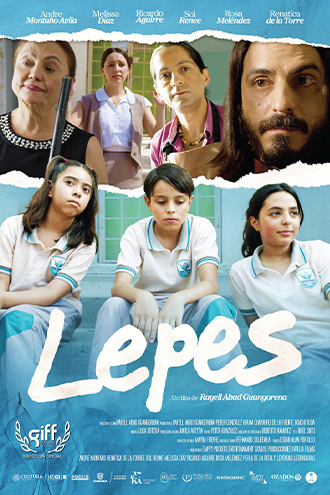
While his overworked single mom is away, Pedro finds solace with funeral home staff. The embalmer Samo becomes his mentor, helping him navigate school challenges and early romance.
A sweeping adaptation of Władysław Reymont’s novel, this epic chronicles the rise of industrial capitalism in 19th-century Łódź through the intertwined destinies of three ambitious friends. An energetic, grandly realized epic by Wajda, considered one of the director's most important films.
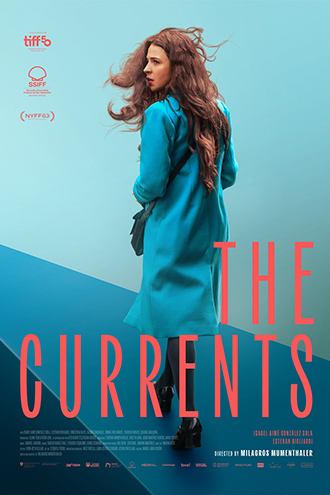
At the height of her career, Lina, a 34-year-old Argentine stylist, is driven by a sudden impulse after an award ceremony in Switzerland. Back in Buenos Aires, she says nothing, but something in her has shifted - quiet and invisible, it subtly unravels a past she thought she had left behind.
Afterimage is a poignant tribute to avant-garde painter Władysław Strzemiński and a moving reflection on artistic integrity in the face of authoritarianism. It tells the story of an artist who oppossed social realism and maintained his own creative freedom in spite of political obstacles.
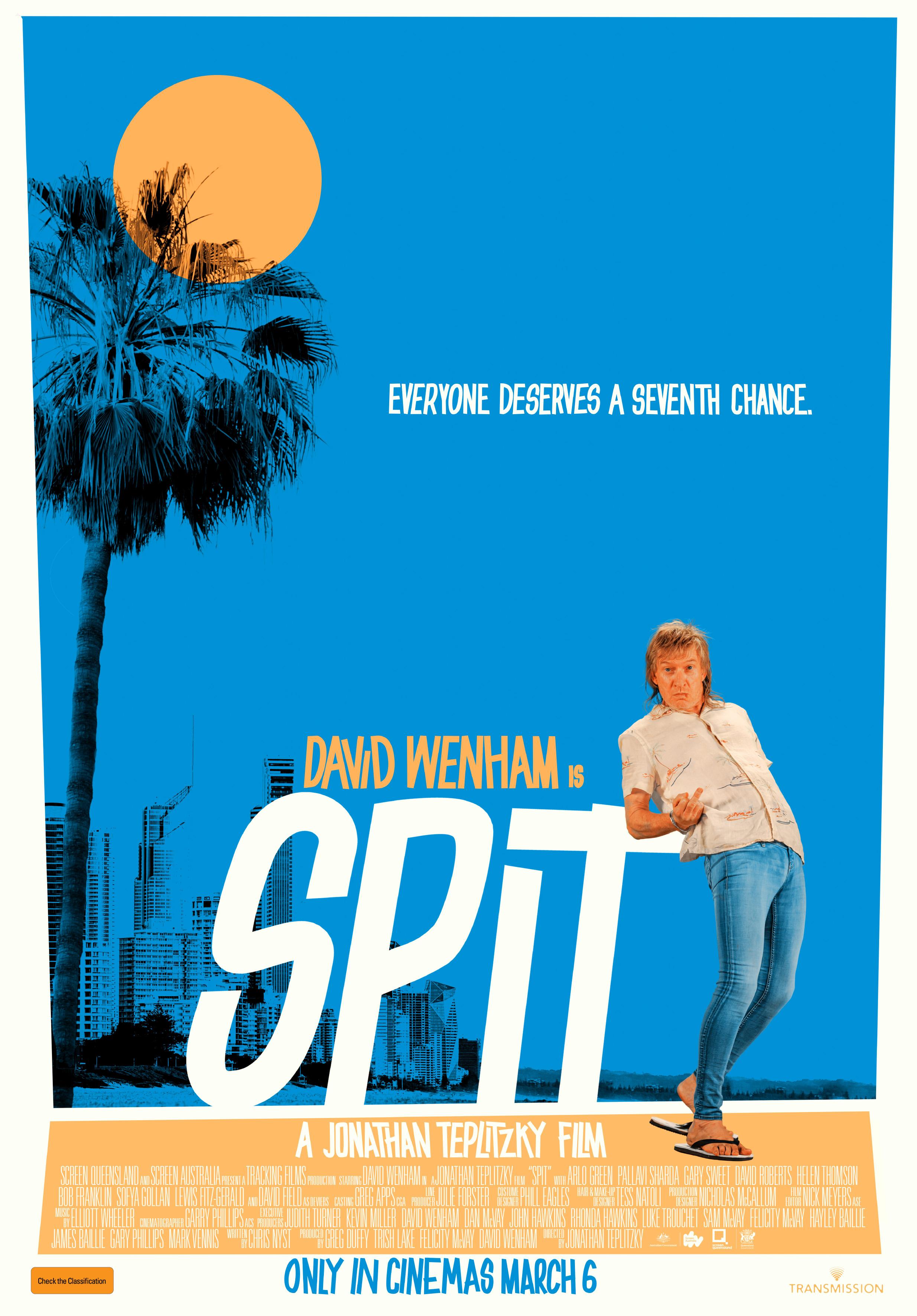
Ex-con returns to Australia after 20 years, gets detained. He faces old enemies, makes new friends in detention, and teaches his version of Australian mateship while staying ahead.
A bold, investigative narrative that explores and examines the comic creation and tragic desecration of a national hero with savage brilliance. A politically conscious, engaged film, a great period in Wajda's career.
Marta, a middle-aged woman married to a small town doctor. Marta searches for happiness in the arms of a much younger man, Boguś. Their relationship is as innocent and fresh as the smell of the sweet rush that grows in the river where Marta and Boguś swam on their first date. But, just when everything seems to be going well for them, Boguś drowns, entangled in the roots of the sweet ruch he was trying to pick for Marta.
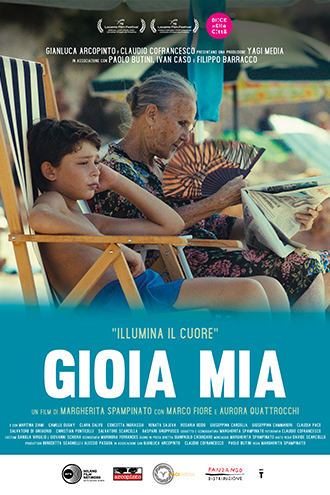
Nico, a lively, grumpy, and impertinent child raised in a secular family. He lives in a modern digital bubble world and is forced to spend the summer in Sicily, hosted by an elderly aunt, a very religious and grumpy lady who lives alone in an ancient building steeped in legends and superstitions, without WI-FI, appliances or any kind of technology.
Set in the late '20s. A thirtyish young man, who heads a small factory, faints at the funeral of a close friend. He decides to go home to his aunt and uncle for a while, but gets involved with a family of five women who had been in love with him.
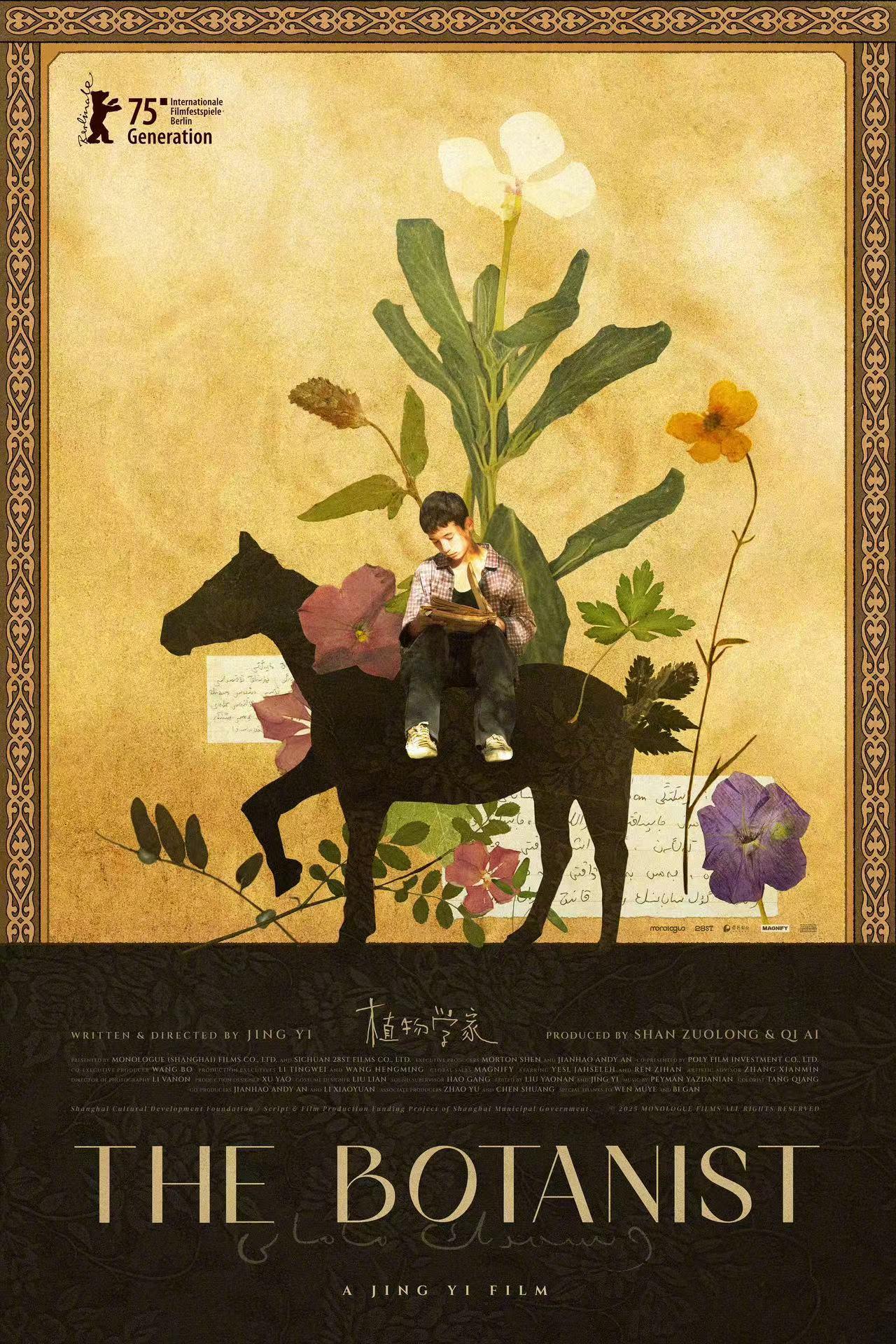
In a remote village in Xinjiang, a young Kazakh boy named Arsin, who finds solace in the company of plants. He soon meet Meiyu, a spirited Han girl. As their friendship blossoms, it deepens into a delicate, dreamlike allegory that blurs the lines between reality and the enchanting world of botany. The film explores themes of nature, isolation, coming-of-age, and the quiet shifts in a fragile, pre-modern world. The film is described as a '"dreamlike and meditative" eco-fable with a strong focus on natural imagery. The film is noted for its authentic depiction of regional life and its poetic, visual storytelling.